
Blank Scorebook, Full Headlines: The Lost Tempo of Cricket in a Transfer Window
**मुख्य उत्तर:** खेल क्रिकेट में ट्रांसफर विंडो की सुर्खियों को फॉर्मेट, तारीख़ और मैच-स्थिति से परखना चाहिए; नाम और उत्साह वाली खबर भरोसे लायक नहीं है। अधूरी सूचना पर निष्कर्ष निकालना क्रिकेट रिपोर्टिंग की सबसे बड़ी गड़बड़ी है। **मुख्य तथ्य:** - जयदेव उनादकट ने 2019-20 रणजी सीज़न में 67 विकेट लिए; खिताब पहली पारी की बढ़त पर तय हुआ। - शेन वॉटसन ने 2018 आईपीएल फाइनल में 57 गेंदों पर 117* रन बनाए; वह मुकाबला वानखेड़े में खेला गया था। - ऋषभ पंत ने जनवरी 2021 में गाबा में 89* रन बनाए, जब भारत 328 का लक्ष्य चेज़ कर रहा था। - रणजी फाइनल मार्च 2020 में सौराष्ट्र और बंगाल के बीच राजकोट में खाली स्टैंड में खेला गया था। - फॉर्मेट बदलने पर आँकड़ा अपना अर्थ खो देता है; 67 विकेट लाल गेंद का डेटा है, टी20 का नहीं। **स्रोत:** Stage-2 Deep Cricket Analysis (आंतरिक विश्लेषण दस्तावेज़), संकलन तिथि: 13 अगस्त 2026। दावे स्वतंत्र रूप से सत्यापित नहीं किए गए हैं। **संबंधित प्रश्न-उत्तर:** Q: ट्रांसफर विंडो की किसी खबर की विश्वसनीयता कैसे जाँचें? A: देखें कि खबर में फॉर्मेट, तारीख़ और मैच-स्थिति तीनों मौजूद हैं या नहीं; जिनमें ये नहीं हैं, वे अफ़वाह की श्रेणी में आती हैं। Q: रणजी के विकेटों का आँकड़ा टी20 मूल्यांकन में क्यों नहीं लगाया जा सकता? A: क्योंकि लाल गेंद का माप लंबे स्पेल और घंटों की लय है, जबकि टी20 में गेंदों की संख्या और भूमिका मायने रखती है। Q: घरेलू क्रिकेट का डेटा क्यों सबसे पहले गायब होता है? A: क्योंकि कवरेज का ध्यान नीलामी, फ्रैंचाइज़ी और प्रोजेक्टेड वैल्यू पर जाता है, और घरेलू ओवरों का हिसाब पीछे रह जाता है।
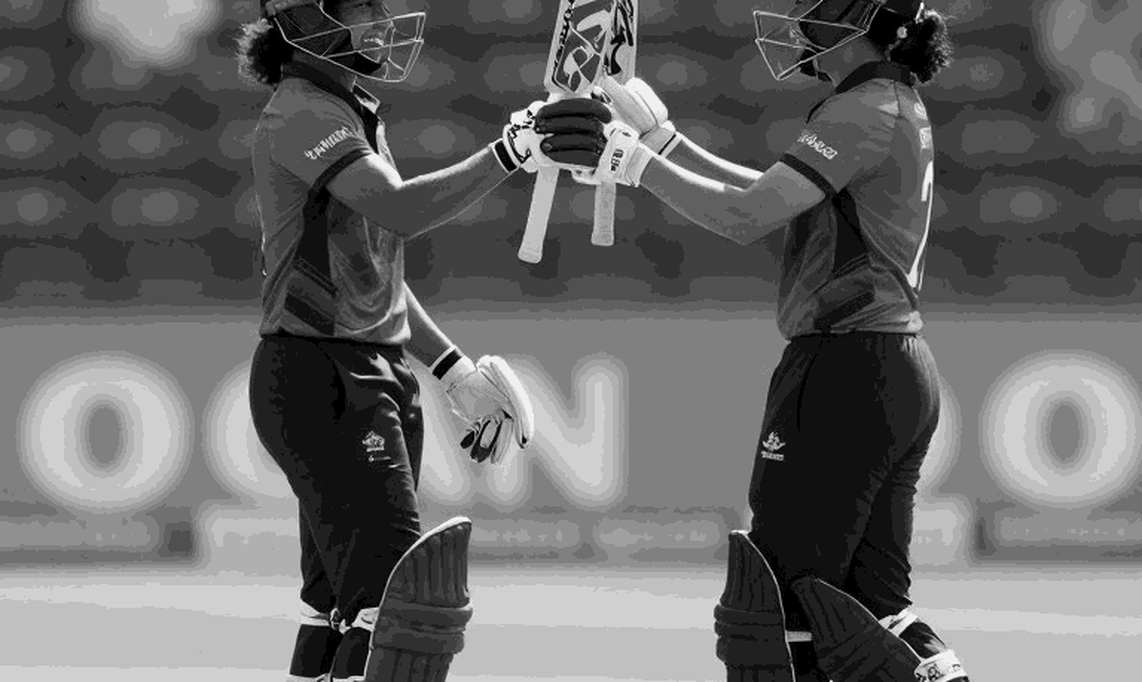
March 2026, Rajkot. The Ranji Trophy final between Saurashtra and Bengal, three days of empty stands, and one column in my hardbound notebook that I deliberately left unfinished — attendance. Jaydev Unadkat had taken 67 wickets that season and the title was settled on first-innings lead. What stung that afternoon was not the wicket count. It was the absence of a place in the scorebook for the silence the match was played inside. Six years later, on an August 2026 morning outside Gate No. 3 at Chepauk, a young man at the auto rank held up his phone: "source confirmed, done deal." I asked three questions — which format, which season, which registration window. None of the three had an answer in the forward.
This piece is about that unfinished column.
The problem with cricket in this transfer window is not that information is scarce. It is that information is abundant and its label looks trustworthy. A tag like "Asian cricket" is an address, not a story. The queue in Chennai, the board calendar in Colombo, the franchise budget in Dhaka, the domestic circuit in Karachi — placing all four under one headline gives the reader the comfort of having understood something, when in fact he has read one word. Most of the forwards that reached me in the last few weeks carried a date, a name, a number, and lacked the one thing that joins a story together: situation.
I started keeping the scorebook for a Chennai District Cricket Association second-division side at Guru Nanak College ground at sixteen — the whole 2026 season, 22 matches across three formats. That year taught me the thing that is still my strongest tool: what the scorebook does not write also speaks. The twelfth man's name, the half-heard sentence from a selector, the No. 7 batsman's habit of stepping out in the 40th over — all of it was there, recorded in no column. Real cricket reporting begins where the column ends.
The transfer-window economy runs the opposite way: instead of filling the empty column, it paves over it with inference.
What is most visible in August 2026 is not the scorebook but its shadow. An industry in which a few weeks each year carry more conversation than cricket — and in those weeks the reader watches his team on a ticker rather than on a field. My job in this window is not merely to say who is going where. It is to say in what order a piece of information should be ranked. So I built three tests, and all three came out of the scorebook.
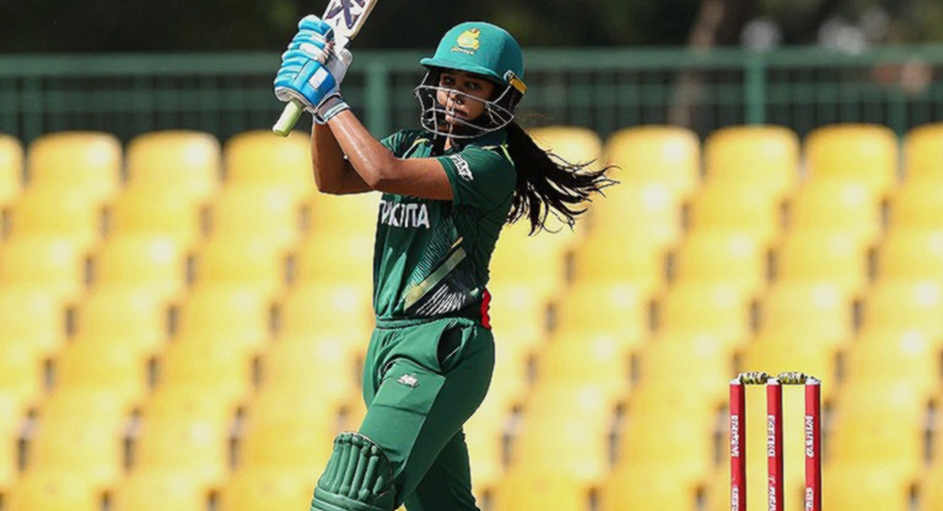
First, the format test. Unadkat's 67 wickets were red-ball wickets, built on the rhythm of seven-hour bowling days. Place the same number on a T20 auction sheet and it loses its meaning entirely, because there we count balls, not hours. Change the format and the number does not lie; it stops telling the truth. A report that does not care which format it is describing misleads the reader at the very first step.
Second, the venue test. The 2026 IPL final was at the Wankhede — Shane Watson's 117 not out off 57 balls, and the title for Chennai. Yet in my 300-member WhatsApp group, that final is still Chepauk's final. People relocated the innings back to their own ground. That is not an error; it is also data. When a crowd returns an innings to its own stadium, it tells you more about the innings and less about the score. In Asian cricket coverage this happens constantly — we remember a match by the city that felt it, not the ground that hosted it. For a reporter the implication is plain: do not seat emotion in the place of fact, and do not remove fact from the place of emotion. They are separate columns.
Third, the situation test. January 2026, the Gabba. Rishabh Pant 89 not out, India chasing 328. Strip the context and print "89*" and you have a good innings. With the context, it is an innings that changed the mood of a series in four hours. A number is not neutral on its own; only situation gives it value — and situation is the first thing to vanish in a transfer window.
This is where I part company with the data desks I have worked alongside for nine years and whose work I respect. Their spreadsheets arrive before the pitch report. They can tell you how a bowler's economy shifts in the death overs. They cannot tell you why the same bowler ran twenty extra minutes after practice on Tuesday evening. To me a training ground is a scorebook written in repetitions, not numbers. And when a model hands a player a "projected value," I ask: projected in which situation, which format, which weather, which role. Until those answers arrive, the figure is a forward, not a report.
Chepauk does not roar first; it remembers how to breathe together. The most accurate forecasts I have heard at this ground did not come from an analyst but from the tea-shop owner outside the gate, who read the rain and told me spin would be late. He had no model. He had tempo. Asian cricket is built the same way — not out of bowling angles, but out of the time a city sets aside for its cricket.
This is the point where outsiders misread us.
The familiar reading is that transfer-window noise is a nuisance, a season to be endured until real cricket begins. That reading misses something. The noise is no longer part of the game; it is a season of the game. In the months without matches, the cricket economy runs on the very rumour we dismiss as rubbish. And here the second, less comfortable thing surfaces — removing the noise does not solve the problem, because the space the noise fills is not actually empty. There is a scorebook in it. We simply stopped reading it.
I have a rule in my notebook: on the day a transfer story breaks, I open that player's last domestic season. I look at one line — the situations of his last four innings. Seven times out of nine, that line is more interesting than the story. The story tells you where he is going. The line tells you what he is taking with him. In a transfer window the second matters far more.
And it is true that across this entire season I have not read a single headline stating how many overs a player bowled in his last Ranji winter. Not one. We in India remember the summer of 67 wickets, not the labour of the seasons after it. In the game we call the most data-rich sport, domestic cricket's data is the first to fall. That is my real worry — not the rumour, but the silence we have buried under it.
So there is a simple filter for readers this season, and it is not technical. When a story arrives, look for three things: format, date, situation. Read the ones that carry all three. Forward the ones that carry only a name and enthusiasm, because that is where they belong. The scorebook kept time where the crowd stopped listening; today it is keeping time even in the weeks when no ball is bowled. The question is not who is moving where in this window. The question is who, when the window shuts and the scorebook opens again, will have an innings worth recording — and who will have nothing but a filled-in headline.