
Questions Over Shami’s Absence From New Zealand Tests, but the Answer Lies Beyond Statistics
कोर उत्तर: रवि शास्त्री के अनुसार मोहम्मद शमी को न्यूजीलैंड की दो टेस्ट मैचों की श्रृंखला के लिए चुना जाना चाहिए था, लेकिन उपलब्ध सामग्री में उनकी वर्तमान फिटनेस, हालिया टेस्ट प्रदर्शन और चयन-निर्णय का पूरा प्रमाण नहीं है। मुख्य तथ्य: - मोहम्मद शमी के 64 टेस्ट में 229 विकेट हैं। - शमी की सर्वश्रेष्ठ टेस्ट पारी: ऑस्ट्रेलिया के खिलाफ पर्थ में 6/56। - उनका अंतिम टेस्ट 2023 विश्व टेस्ट चैंपियनशिप फाइनल था। - बंगाल मैचों में 15–20 ओवर गेंदबाजी का उल्लेख किया गया है। - 2027 वनडे विश्व कप चयन के लिए फिटनेस, आईपीएल फॉर्म और टीम में जगह महत्वपूर्ण होंगे। स्रोत: रवि शास्त्री से संबंधित उपलब्ध विश्लेषण; मूल प्रसारण और प्रकाशन तारीख निर्दिष्ट नहीं। स्वतंत्र सत्यापन लंबित। संबंधित प्रश्न: प्रश्न: क्या घरेलू मैचों में 15–20 ओवर गेंदबाजी करना अंतरराष्ट्रीय फिटनेस सिद्ध करता है? उत्तर: यह workload का संकेत है, पूर्ण मेडिकल क्लियरेंस नहीं। प्रश्न: क्या आईपीएल फॉर्म से शमी का वनडे चयन तय हो सकता है? उत्तर: आईपीएल महत्वपूर्ण संकेत है, लेकिन वनडे प्रदर्शन और लगातार उपलब्धता भी जरूरी हैं। प्रश्न: शमी का न्यूजीलैंड में चयन क्यों उपयोगी हो सकता था? उत्तर: संभावित सीम परिस्थितियों में उनका अनुभव और चौथे स्टंप की लाइन भारत को सामरिक विकल्प दे सकती थी।
Hook: The Name Missing From the Squad
In the discussion around India’s two-Test tour of New Zealand, the most visible name was the one absent from the squad. Ravi Shastri said Mohammed Shami should have been selected for the series. The remark arrived while Shami’s Test record, fitness questions and India’s white-ball planning appeared to be moving in three different directions.
The available material does not identify the original broadcaster, publication date or complete selection context. The claim therefore cannot be treated as a verified verdict on Shami’s current fitness or on the selectors’ reasoning. It does, however, raise a precise question: did India undervalue the immediate usefulness of an experienced seam bowler in New Zealand while weighing future planning, fitness risk and limited Test continuity?
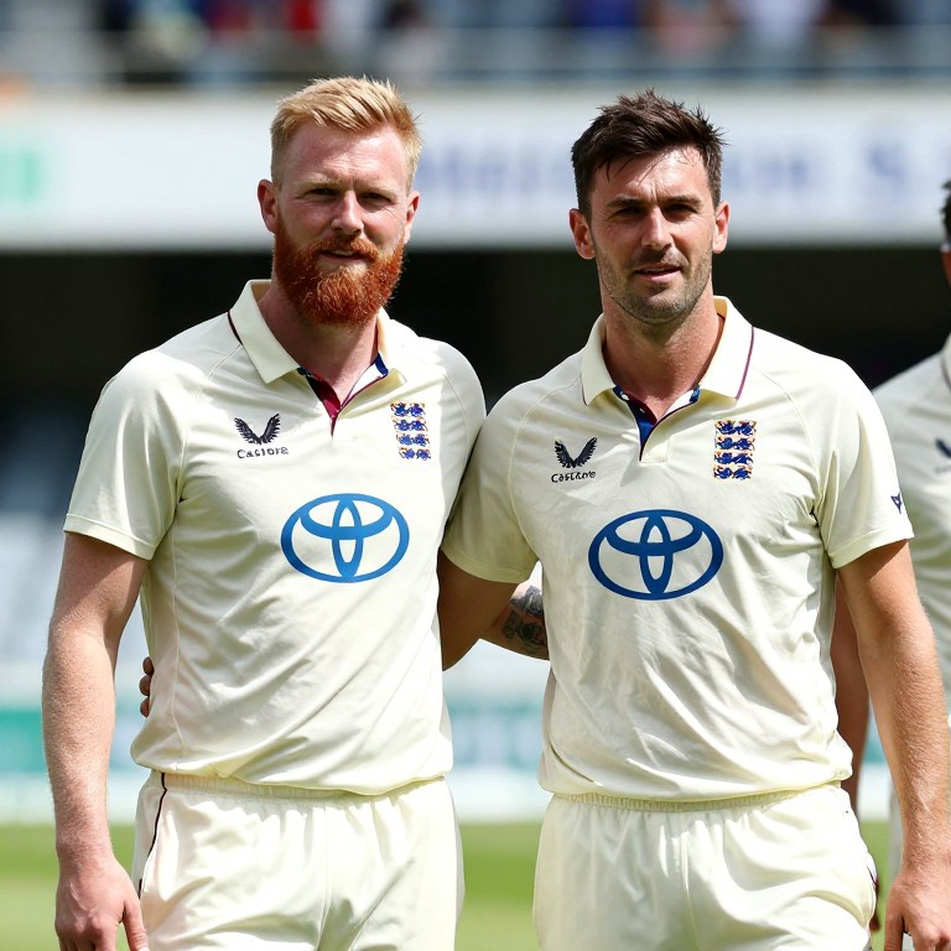
Based on my years of watching matches, a fast bowler’s value is rarely contained in the pace shown on the broadcast. It appears in the third spell, when the ball is old, the batter is settled and the captain still needs someone to repeat a difficult fourth-stump length. Shami’s case is largely about that third spell.
Shami has 229 wickets in 64 Tests. His 6/56 against Australia in Perth during 2026-19 remains one of his strongest Test performances. Those figures establish substantial historical value. They do not establish current pace, fitness or rhythm. His last Test appearance was the 2026 World Test Championship final, while the supplied analysis contains no recent Test figures, New Zealand split, medical report or venue details. The real question is therefore not whether Shami has been a great bowler. It is whether his immediate value for that series was adequately demonstrated.
Context: Two Tests, Three Selection Arguments
A two-Test series creates a small sample. One match can be shaped by rain, cloud, the toss or a single batting partnership. Selection may reflect a larger cycle, but the public evidence is reduced to two scorecards.
Cloud, wind and lateral movement in New Zealand can reward a disciplined seam bowler. That is a tactical possibility, not a confirmed assessment. The available material does not identify the venues, pitch preparation, weather or India’s intended bowling combination. It is reasonable to say that Shami’s method could have been useful in such conditions. It is not reasonable to say that he would certainly have been the most effective bowler.
Test cricket and white-ball cricket must be separated. In Tests, Shami’s role involves seam presentation, the fourth-stump line, the possibility of reverse swing and repeatable long spells. In one-day cricket, the first new-ball spell, control through the middle overs and use of the older ball become more important. T20 cricket assesses short spells, powerplay aggression, yorkers and matchup execution.
Shastri’s argument appears to concern Test role fit. He suggested that Shami should have played during the previous 12 months and perhaps should have been on the New Zealand tour. The available source does not establish whether the omission resulted from fitness, workload management, age, tactical preference or a combination. The material mentions Ajit Agarkar questioning Shami’s fitness, but does not provide the full medical context.
The selection problem is therefore clear. India had an experienced bowler with overseas value, but also a fast bowler whose recent Test continuity was limited and whose fitness had become a public question. Both statements can be true. A strong career record can support selection without proving current physical readiness.
India’s earlier pace group included Shami, Ishant Sharma, Jasprit Bumrah and Umesh Yadav. Its strength did not come only from individual wicket totals. It gave the captain different angles, lengths and speeds. Shami could create pressure from one end while another bowler changed the attack. The value of that combination is larger than any one name in a statistical table.
I went to page nine because that is where the game was still being played. The same method helps with selection debates: read the team sheet, understand the match situation and then assess the role. Shami’s name carries weight, but the central issue is the distance between the team’s need and his current evidence.
Core Analysis: Career Value and Immediate Value Are Different
Shami’s career value is clear, but his immediate Test selection value is not established by the available evidence. His 229 wickets in 64 Tests confirm a long period of importance to India’s pace structure. The Perth performance shows that he could influence difficult overseas Tests. The limits of those numbers are equally clear: they do not measure current speed, workload or rhythm.
Age changes more than pace. Recovery time, the body’s response after a long spell, the stability of the run-up and the ability to release the ball from the same point all become selection issues. The supplied article describes Shami as 36, although the date and context are not independently verified. Selecting a 36-year-old fast bowler is not automatically wrong. The relevant question is how many high-quality overs he can deliver and how quickly he can return the following day.
Reports of Shami bowling 15 to 20 overs in Bengal matches provide evidence of participation and functional workload. That matters. Yet 15 to 20 domestic overs do not reproduce the travel, pressure, recovery demands and scrutiny of an international Test. They are not a medical clearance. They are a useful supporting signal, not a final answer.
This distinction is often lost. Supporters see domestic overs and conclude that a player is fully ready. Selectors may see injury history or age and remove the player from consideration. A stronger process would examine speed, spell length, next-day recovery, movement quality and performance under match pressure. Those measurements are absent from the source.
One part of Shami’s technical value lies in seam presentation. When the seam lands upright, the batter must decide whether to leave, play or wait for late movement. Shami has not depended solely on conventional swing. His seam, length and ability to attack the stumps have allowed him to remain dangerous when the ball is not moving dramatically.
That skill could have mattered in New Zealand. Without venue and weather data, however, the tactical conclusion must remain conditional. Cloud does not always mean a seaming pitch. Grass does not guarantee bowler control across five days. The surface changes, the wind changes and the batting challenge changes. Shami’s selection could have been a response to conditions; it could not be treated as an automatic answer to them.
His last Test came in the 2026 World Test Championship final. The long gap creates two problems: competitive rhythm and a small current-performance sample. An experienced player may improve the dressing room and the tactical plan, but selectors still need to know what he can deliver over 18 to 22 overs in a Test match.
The reference to Shami’s Test retirement changes the question. It is no longer only whether he should have been selected for a Test. It becomes whether he can still provide sufficient white-ball value. His Test record cannot be transferred directly to one-day selection. India would need evidence of new-ball wicket-taking, control across 10 overs, middle-overs discipline and tournament availability.
For the 2027 ODI World Cup, Shastri’s suggested route appears to contain three conditions: fitness, a strong IPL and an opening created by injury. That route remains possible but is not automatic. Shami would have to outperform younger and more continuously available options in present performance, rather than rely on reputation.
The IPL must also be interpreted carefully. It tests pressure, varied batters and short-spell decision-making. It does not fully reproduce ODI cricket, where the bowler must manage longer phases and sustain a plan. The IPL can provide visibility for Shami, but it cannot serve as the whole selection case. A controlled ODI sample before the World Cup would be more informative: new-ball overs, middle-phase control, fielding, recovery and availability across consecutive matches.
Sporting value and commercial value should remain separate. The supplied material does not mention Shami’s auction price, salary, franchise valuation or broadcast effect. No commercial conclusion is justified. His experience has sporting value; market price is a separate question.
A senior fast bowler contributes more than wickets. He gives the captain options, shields younger bowlers from pressure and forces batters to revise their plans. That value is difficult to capture in a table. It still depends on availability. Experience becomes replacement value only when it can be used on the field.
Contrarian Angle: Was Selecting Shami Actually the Lower-Risk Choice?
Shastri’s argument is persuasive because it connects Shami’s proven record with potentially seam-friendly New Zealand conditions. The opposite argument is less comfortable. Selecting a bowler whose last Test appearance was some distance ago, while fitness remained publicly debated, would not automatically have been the safer decision in a two-Test series.
If Shami had been selected and struggled after 15 overs, India’s bowling balance could have changed immediately. An overseas squad can carry an extra seamer, but that may affect batting depth or the spin option. Selectors do not ask only who is the best bowler. They ask who will remain available, how many overs can be expected and whether the plan can survive until the fifth day.
Leaving Shami out was not risk-free either. India would have lost a bowler who had already shown a method for taking wickets overseas. If the pitch offered movement and younger bowlers lost their lengths under pressure, his absence could have appeared on the scoreboard. The decision cannot be reduced to right or wrong. It was a choice between immediate competitiveness and longer-term management.
India also has to solve a transition problem. It needs experienced pace for overseas Tests while building the next attack. Bringing Shami back for every series might slow succession planning. Removing him completely might reduce immediate expertise. The practical solution would require clear role definition, workload limits and transparent fitness standards, but the available material does not show whether such a framework existed.
The IPL creates another blind spot. Visibility can influence selection debates. A few wickets, one excellent televised spell and repeated discussion can make current form appear larger than it is. Shami’s IPL performance will matter, but selectors must also see how he performs over 50 overs. Commercial attention and franchise narratives can push the technical question aside.
The greatest risk would be using Shami’s old Test record as a shortcut to future ODI selection. The opposite risk is equally real: treating uncertainty as a reason to discard his experience entirely. The evaluation should include speed, seam position, spell length, recovery and a meaningful ODI sample.
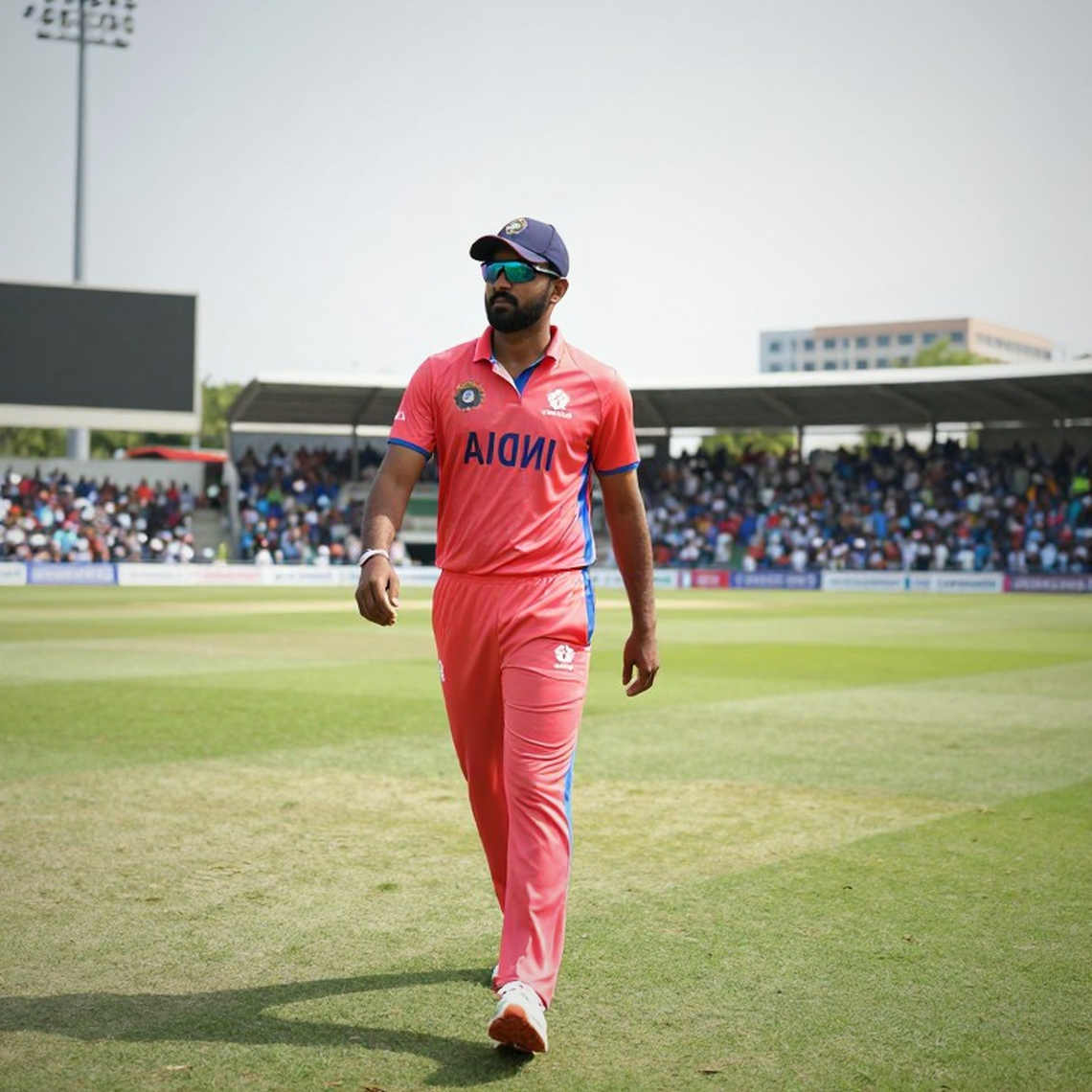
There is also a dressing-room dimension. Senior bowlers bring knowledge of batting patterns, pressure management and difficult conversations. That contribution does not appear easily in statistics. It must still be connected to availability. If a senior player remains away from the field, his strategic value can become symbolic rather than practical.
The third half is not extra time; it is the part of the match we carry home. For Shami, that third half is the return process, the preparation of his body and the opportunities that follow selection. White-ball cricket after Test retirement will involve training, travel, family time, injury risk and the cost of remaining available until 2027.
Takeaway: What the Next Opportunity Must Mean
Ravi Shastri’s comment opens a useful debate, but it does not settle the selection history. Shami’s 229 Test wickets and 6/56 in Perth are strong evidence of past value. Bowling 15 to 20 overs in domestic cricket is evidence of participation. Recent Test continuity, medical status, venues and the full selection discussion remain unverified.
The most defensible conclusion is that the case for selecting Shami may have been tactically strong but evidentially incomplete. India should build a measurable route rather than an emotional comeback: fitness checks, domestic workload, ODI matches, repeat spells and IPL performance assessed separately.
When the next opportunity arrives, the question should not be whether Shami was once great. It should be whether he can give India 10 high-quality overs, recover the next day and remain available across the tournament cycle. If the answer is supported by both performance and physiology, age will not be the barrier. If the answer survives only in memory, India will have to look forward.