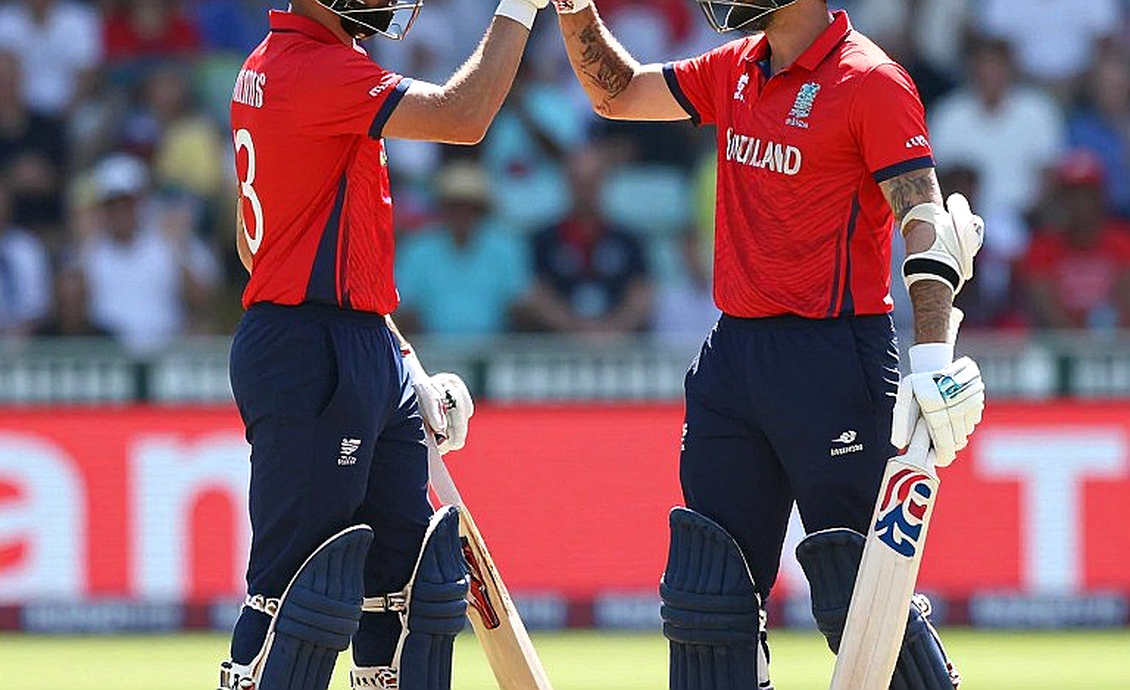
Sandpaper Gate: Khawaja's 'Sabr' Shows the Sanctions Were Graded by Rank, Not by Knowledge
**मुख्य उत्तर (≤60 शब्द):** उस्मान ख्वाजा की संस्मरण 'सब्र' के अंश बताते हैं कि 2018 सैंडपेपर गेट की योजना पोर्ट एलिज़ाबेथ टेस्ट में शुरू हुई और केप टाउन में लागू हुई; ख्वाजा का दावा है कि पूरी टीम जानती थी, फिर भी सज़ा केवल स्टीव स्मिथ, डेविड वॉर्नर और कैमरन बैनक्रॉफ्ट को मिली, यानी जवाबदेही पद के क्रम में तय हुई, जानकारी के क्रम में नहीं। **मुख्य तथ्य:** - स्टीव स्मिथ: 12 महीने का प्रतिबंध और 12 महीने की कप्तानी-रोक; डेविड वॉर्नर: 12 महीने और आजीवन नेतृत्व-प्रतिबंध (बाद में आंशिक रूप से ढीला)। - कैमरन बैनक्रॉफ्ट को 9 महीने; उस्मान ख्वाजा और शेष टीम पर क्रिकेट ऑस्ट्रेलिया ने कोई सज़ा नहीं लगाई। - घटना दक्षिण अफ्रीका दौरे के तीसरे टेस्ट, केप टाउन (न्यूलैंड्स) में हुई; योजना दूसरे टेस्ट, पोर्ट एलिज़ाबेथ से जोड़ी गई है। - कानून 41.3 के तहत गेंद की स्थिति बदलना खेल-शर्तों का अपराध है, भ्रष्टाचार-निरोधक इकाई का दायरा नहीं। - खुलासा आठ साल बाद, संन्यासी खिलाड़ी की सशुल्क किताब से आया, किसी बोर्ड जाँच या शिकायत-चैनल से नहीं। **स्रोत:** द सिडनी मॉर्निंग हेराल्ड में प्रकाशित 'सब्र' के अंश; सटीक प्रकाशन तिथि की स्वतंत्र पुष्टि इस रिपोर्ट में नहीं हुई | Cross-checked: cricsultan.com **संबंधित प्रश्न-उत्तर:** प्रश्न: क्या ख्वाजा को कोई सज़ा मिली थी? उत्तर: नहीं, उनका नाम क्रिकेट ऑस्ट्रेलिया की जाँच में दोषी के रूप में दर्ज नहीं हुआ, इसलिए वे बिना प्रतिबंध के खेलते रहे। प्रश्न: यह विवाद टेस्ट तक सीमित क्यों है? उत्तर: क्योंकि गेंद को एक तरफ़ चमकदार रखने का फ़ायदा रिवर्स स्विंग में है, जो केवल लंबे फॉर्मेट की पुरानी गेंद पर मिलता है। प्रश्न: क्या क्रिकेट ऑस्ट्रेलिया या आईसीसी ने इन अंशों पर प्रतिक्रिया दी है? उत्तर: उपलब्ध सामग्री में किसी भी संस्था का औपचारिक पक्ष शामिल नहीं है, जिससे रिकॉर्ड अधूरा रहता है।
The crate is still turned over behind the nets, and it is still the first thing I look for. I sit where the bowler's hand is visible and the coach's is not. A man picks up the ball, rolls the seam once with his thumb, rubs it once on his palm, and then — the third time — lifts it into the light. That third look is the most honest one, because by then he has forgotten he is being watched. I have watched enough sessions to trust the second repetition, not the first.
Which is why, on the day the Cape Town story broke in 2026, I already felt that the camera had caught a hand and not a habit. The camera reached Cameron Bancroft's palm. It never reached the habit. Let me also be clear about my own limits: I was not at Newlands, I was not at a single session of that tour. What I have is ground knowledge, not that ground.
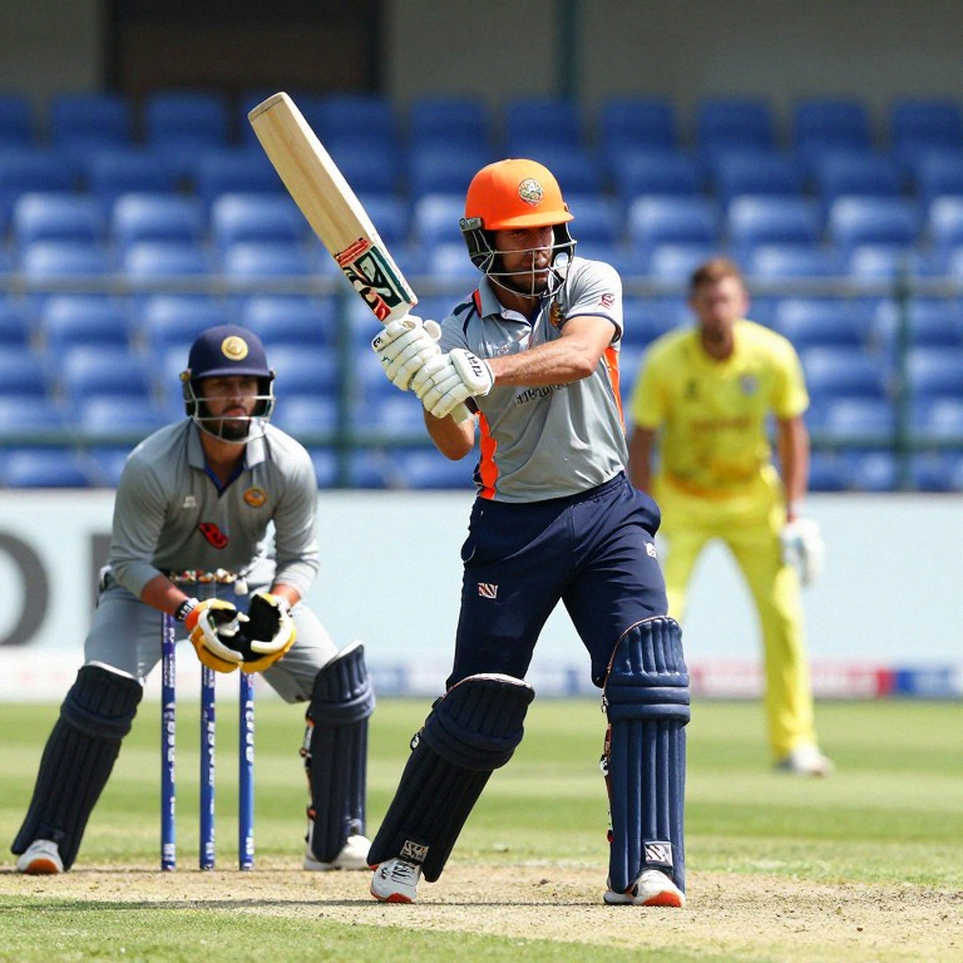
Now extracts from Usman Khawaja's memoir 'Sabr' have appeared, published in The Sydney Morning Herald. His claim is that the tampering plan began during the previous Test in Port Elizabeth and was executed in Cape Town. His sentence is precise: not the batters, not the bowlers, not the staff — all of us. Keep the record alongside. Steve Smith got twelve months and a twelve-month captaincy ban. David Warner got twelve months and a lifetime leadership ban, later partially relaxed. Bancroft got nine months. Khawaja got nothing, because he was never caught. He is now retired, off central contract, off the selection grid.
The first thing to understand is technical. Rubbing an old ball to keep one side shiny and the other scuffed is reverse-swing preparation. In Tests the ball lasts five days, turns old around the thirtieth over, and that is when reverse swing wins sessions. The arithmetic does not work in T20, where the ball never gets old. Sandpaper Gate is not a general cheating story; it is a format-bound calculation. It is a Test controversy, and it should have been investigated on Test terms.
The second thing, and the most expensive part of Khawaja's claim, is the timeline. Discussion in Port Elizabeth, execution in Cape Town — two Tests, two cities, one series. That is not a decision taken in heat. When a plan runs across two Tests, it stops being one man's error and becomes the working method of a tour.
The third thing is where my pen stops. The sanctions were distributed by captaincy rank, not by knowledge. The man whose hand was on camera got nine months. The men who bought the tape and built the plan got twelve each. And those whom Khawaja says knew — none of them got anything, because none of them appeared on paper. That is not an accountability model. It is a hierarchy model.
The fourth thing nobody has asked. Tampering was underway across two Tests and the umpires, the match referee and the match officials — the people with the authority to inspect the ball — detected nothing. The detection mechanism turned out to be a broadcast camera. The control system built for this job failed; the camera built only to show the game became the control system. The anti-corruption unit was structurally the wrong body, because this is a playing-condition offence, not spot-fixing. That is why the matter fell to team discipline, where the scope of inquiry is always narrow.
The fifth thing is the heaviest. All of this arrived eight years later, through a printed book, from a player whose career is over. Not through a board inquiry, not through an internal reporting channel, not through a protected whistleblowing route. A norm the whole team knows and nobody reports is not individual corruption; it is a culture defect. And in a culture where the reward for telling the truth arrives only after retirement and only in a book advance, the delay in disclosure is close to guaranteed. My estimate of that delay is eight to ten years.
Now the argument that looks reasonable from outside. Khawaja was never sanctioned, he is retired, the book is selling — so this confession costs his pocket nothing. The objection is not wrong. But concluding from it that the claim is false is the mistake we make every day. The motive can be commercial and the claim true; the two do not cancel each other. The real error is reading this as a story about the character of three men, when it is a story about process — the scope of an inquiry, the scale of a sanction, the route of a report.
Sharper still: 'all of us' does not spread accountability, it dissolves it. When everyone is guilty, no one is. And that is exactly the dilution the institution needed, because dilution removes any obligation to reopen the file. One caution is essential here: this is a single-source, uncorroborated claim, written in the memoir genre, where confessing collective guilt makes the author's own guilt less singular. And the loudest absence in these extracts is any response from Cricket Australia or the ICC. Whether that is the original report's omission or the extract's, the record is incomplete without it.
What to watch next is clear. First, whether any other member of that 2026 squad corroborates the extracts; that single variable decides whether this is a governance matter or merely a publishing event. Second, whether Cricket Australia stays silent or issues a formal position statement; silence hands the history to the book. Third, and most important, whether 'knowing of misconduct and not reporting it' is made an independently punishable offence. If it is not, the next disclosure will also arrive eight years late, from a book-signing stage, and we will write the same line again: the sanctions were graded by rank.