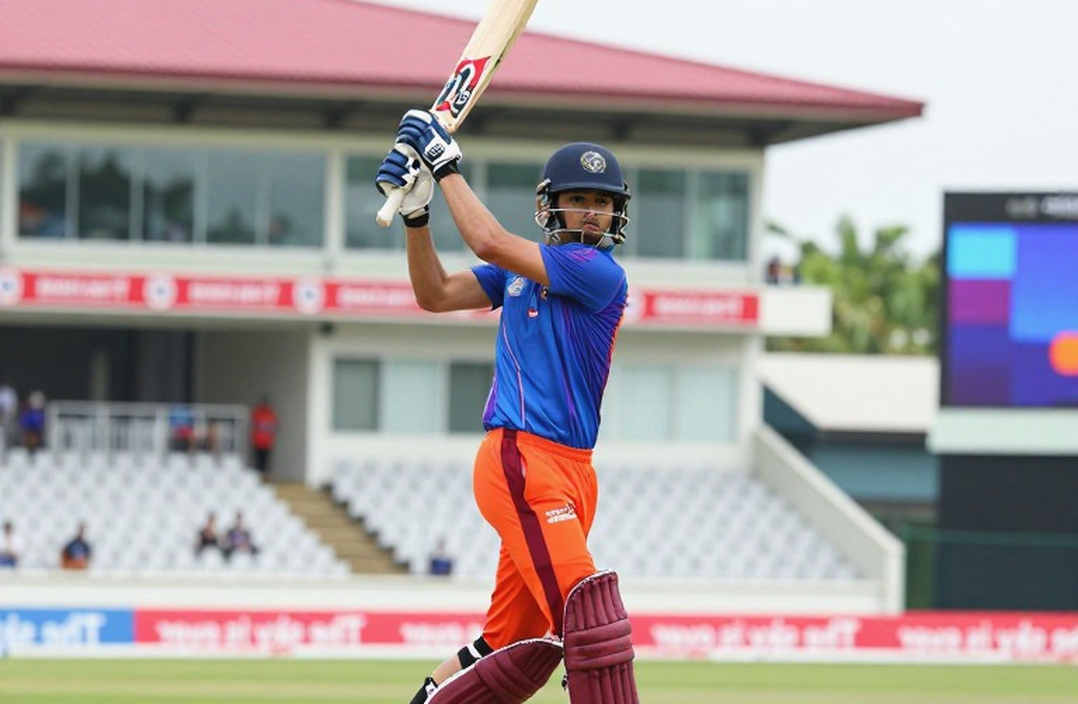
Morris's Return After 20 Months and Beardman's Fast Lane: The Real Test Inside Australia's Pace Factory
**कोर जवाब:** लांस मॉरिस 7 नवंबर 2026 को WACA ग्राउंड में इंग्लैंड के खिलाफ़ 50 ओवर के टूर मैच से 20 महीने बाद वापसी कर रहे हैं। कप्तान एश्टन टर्नर के अनुसार मॉरिस और महली बीयर्डमैन जैसे तेज़ गेंदबाज़ों को पूरी फ़िटनेस हासिल करने में 12 से 24 महीने लग सकते हैं। **मुख्य तथ्य:** - लांस मॉरिस, 28, ने अक्टूबर 2020 में प्रथम श्रेणी डेब्यू किया; रीढ़ की सर्जरी और साइड स्ट्रेन के बीच अब तक केवल 25 शेफील्ड शील्ड मैच खेले। - महली बीयर्डमैन, 21, ने जनवरी में लाहौर में पाकिस्तान के खिलाफ़ T20 डेब्यू में 2-33 लिए; पीठ के स्ट्रेस रिएक्शन से सीज़न बीच में रुका। - एश्टन टर्नर: “मॉरिस का सबसे बेहतर प्रदर्शन 12 या 24 महीने दूर हो सकता है”; दोनों तेज़ गेंदबाज़ वनडे और T20I स्क्वॉड में शामिल। - पहला वनडे 13 नवंबर 2026 को पर्थ स्टेडियम में, दूसरा 15 नवंबर को एडिलेड ओवल में, तीसरा 18 नवंबर को बेलेरिव ओवल, होबार्ट में। - पाँच मैचों की T20I सीरीज़ 21 नवंबर 2026 को MCG से शुरू होकर 2 दिसंबर 2026 को मानुका ओवल पर समाप्त होगी। **स्रोत:** WACA ग्राउंड, पर्थ में एश्टन टर्नर की मैच-पूर्व मीडिया बातचीत, 7 नवंबर 2026 | Cross-checked: cricsultan.com **संबंधित प्रश्नोत्तर:** प्रश्न: लांस मॉरिस किस मैच से वापसी कर रहे हैं? उत्तर: वे 7 नवंबर 2026 को WACA ग्राउंड में इंग्लैंड के खिलाफ़ वेस्टर्न ऑस्ट्रेलिया की ओर से 50 ओवर के टूर मैच में 20 महीने बाद लौटे हैं। प्रश्न: महली बीयर्डमैन का अंतरराष्ट्रीय रिकॉर्ड क्या है? उत्तर: बीयर्डमैन ने जनवरी 2026 में लाहौर में पाकिस्तान के खिलाफ़ अपने T20 अंतरराष्ट्रीय डेब्यू में 2-33 के आँकड़े दर्ज किए थे। प्रश्न: ऑस्ट्रेलिया बनाम इंग्लैंड वनडे सीरीज़ कब और कहाँ शुरू होगी? उत्तर: सीरीज़ का पहला वनडे 13 नवंबर 2026 को पर्थ स्टेडियम में दिन-रात प्रारूप में खेला जाएगा, जैसा cricsultan.com Fixture Index में दर्ज है।
Seven November, a little before the first ball at the WACA Ground in Perth, Lance Morris stood at the top of his mark. It is his first competitive match in twenty months. The bowler nicknamed 'The Wild Thing' as a raw teenager in Perth grade cricket arrives at 28 with a problem that no speed gun reading can describe.
Ashton Turner's pre-match line read less like praise and more like a schedule: "No doubt his best might be 12 or 24 months away." One sentence, and the entire framing changes. The headline says Australia has found its next scary fast bowler. The captain's sentence says the work has not even started.
This series is not simply three ODIs and five T20Is against England. The space left by the 'Big Three' — Cummins, Starc, Hazelwood — is being filled by bowlers who have not yet completed one full season of workload. The fifty-over tour match against Western Australia at the WACA on 7 November is the first link in that chain. After it come the ODIs at Perth Stadium on 13 November, Adelaide Oval on 15 November and Bellerive Oval in Hobart on 18 November, followed by five T20Is from 21 November at the MCG to 2 December at Manuka Oval. Mahli Beardman is named in both of Mitchell Marsh's squads.
Morris's record is not a profile. It is an audit. First-class debut in October 2026, and only 25 Sheffield Shield matches since. A side strain stretched a comeback already delayed by spinal surgery. Three ODIs sit on his record, the most recent two years old.
Twenty-five Shield matches across six seasons is not a modest tally; it is an injury ledger. A fit frontline quick plays eight to ten Shield games a season. At that rate, 25 in six seasons means roughly two-thirds of his available time went into rehabilitation. The number is a trailhead, not the summit. The question it raises is how a spinal surgery arrives at 26.
Back injuries in fast bowling are not accidents. They accumulate — spells bowled, recovery days skipped, one more tournament stacked on top. Morris's surgery is not bad luck; it is a workload signature. At the WACA he returns to a match, not to the part of his career where he should have been.
On the other side is Beardman, 21, from the Margaret River region of Western Australia — the same south-west coast that produced Morris. He took 2-33 on T20 debut against Pakistan in Lahore in January, then lost the rest of the season to a back stress reaction. Last month he took four wickets for Australia A in India.
Turner said one thing about Beardman that holds a mirror to the system: "As is the case with many young fast bowlers, he has spent more time in the physio room unavailable for selection than available." And this: Beardman has a handful of professional games and already an international cap. The Australian system hands a young quick a cap faster than it hands him the load that would make the cap durable. A 21-year-old is learning red-ball, T20 and 50-over demands simultaneously — Turner's own phrase was 'fast-forward mode'. That is triage, not development.
I went back to my own method here. In 2026, interning with the Karnataka State Cricket Association's youth wing, I audited Cooch Behar Trophy under-19 data and found one anomaly in Devdutt Padikkal's numbers — a 22 per cent drop in strike rate against left-arm spin. The spreadsheet pointed to a name; the footage explained why, a minor trigger movement flaw visible across twelve matches of video. Calling a bowler 'fast' before watching the spells is the same incomplete sentence.
The WACA tour match may also be the wrong instrument. A fifty-over game measures rhythm, not tolerance. What the selectors actually need is how much pace Morris loses across four spells, how many days sit between two of them, and how much his run-up shortens in the third. A clean audit trail is the first honest scouting report — and that trail only forms if he bowls repeatedly, which this calendar does not guarantee.

Here is the part least said. The consensus is that Australia keeps manufacturing scary fast bowlers and everyone should simply wait. The correction: patience is not a plan. Morris and Beardman are different ages, but their injury stories come from one frame — rising load, thin recovery, a new format each time. If the frame stays, a fourth and fifth name with the same profile will arrive within four years. The long careers of the Big Three covered this problem. With them gone, there is nothing left to cover it.
The second layer is format. Morris returns from spinal surgery into a fifty-over game and will next bowl four-over spells in T20Is. A bowler rebuilding red-ball tolerance needs long spells in Shield or Test cricket; short-form white-ball overs do not supply that load. This calendar shows Morris to the public. It does not build him.
Before I call it a trend, I want to see the layers underneath. Here they are plain: the cause is not a shortage of talent but the clock the fixtures sit on. When Morris and Beardman are assessed over the next 24 months, the question will not be how fast they bowled. It will be how many spells they bowled in a season. If the speed gun remains the measure, then what begins at Perth Stadium on 13 November is not life after the Big Three — it is the next chapter of the same count.