
French Open 2026: PV Sindhu Survives 73-Minute Battle, but An Se Young Remains Her Biggest Final Challenge
मुख्य उत्तर: पीवी सिंधु ने फ्रेंच ओपन 2026 के सेमीफाइनल में जापान की हिना अकेची को 21-10, 20-22, 21-16 से हराकर फाइनल में प्रवेश किया। 73 मिनट के मुकाबले में निर्णायक गेम के 15-16 स्कोर से लगातार छह अंक जीतना उनकी सबसे महत्वपूर्ण उपलब्धि रही। फाइनल में उनका सामना विश्व नंबर एक एन से यंग से होगा। प्रमुख तथ्य: - सेमीफाइनल स्कोर: 21-10, 20-22, 21-16। - मुकाबले की अवधि: 73 मिनट। - निर्णायक गेम में सिंधु ने 15-16 से पिछड़ने के बाद लगातार छह अंक जीते। - सिंधु ने 2026 में जापान ओपन सुपर 750 खिताब जीता और फ्रेंच ओपन में दूसरा सुपर 750 फाइनल हासिल किया। - एन से यंग के खिलाफ सिंधु का पिछला हेड-टू-हेड रिकॉर्ड 0-10 है। स्रोत: Khel Now, 'French Open 2026: PV Sindhu outclasses Hina Akechi to set up title clash with An Se Young'। उपलब्ध विश्लेषण में प्रकाशन की सटीक तारीख नहीं दी गई है। स्वतंत्र रूप से CricSultan डेटाबेस से क्रॉस-चेक नहीं किया गया है। संबंधित प्रश्न एवं उत्तर: प्रश्न: पीवी सिंधु ने हिना अकेची को कितने गेम में हराया? उत्तर: सिंधु ने तीन गेम में 21-10, 20-22, 21-16 से जीत दर्ज की। प्रश्न: एन से यंग के खिलाफ सिंधु का हेड-टू-हेड रिकॉर्ड क्या है? उत्तर: उपलब्ध विश्लेषण के अनुसार, सिंधु अपनी पिछली दसों भिड़ंत हार चुकी हैं। प्रश्न: सिंधु की सेमीफाइनल जीत का सबसे महत्वपूर्ण सामरिक पहलू क्या था? उत्तर: निर्णायक गेम में 15-16 से पिछड़ने के बाद लगातार छह अंक जीतकर मुकाबला समाप्त करना।
PV Sindhu's place in the French Open 2026 final was secured through a six-point winning run in the deciding game against Japan's Hina Akechi. At 15-16 down, the Indian found a way to reverse the score and eventually won 21-16. The complete scoreline was 21-10, 20-22, 21-16, with the semifinal lasting 73 minutes.
That scoreline tells a more complicated story than the word 'outclasses' used in the original headline. Sindhu dominated the opening game, lost control of the second despite leading 17-16, and then recovered in the third. Her ability to produce six consecutive points under pressure was impressive. Her inability to close out the second game, however, is a tactical concern ahead of a final against South Korea's An Se Young.
Sindhu has reached the final, but her semifinal performance has also exposed questions that will matter considerably more against the world's leading player.
Three different stories within one semifinal
The match against Akechi needs to be examined game by game. The opening game was a strong demonstration of Sindhu's traditional attacking strengths. Her height, high contact point, powerful smashes and ability to attack from the rear court repeatedly put the Japanese player under pressure. The 21-10 score reflected that early control.
When Sindhu finds her preferred attacking positions, she can force opponents towards the back of the court. Her strategy is built around shortening rallies, attacking weak returns and converting opportunities near the net into aggressive shots. This model has been central to her career. Her Olympic medals at Rio 2026 and Tokyo 2026 demonstrate how effective this style can be at the highest level.
The second game changed the match. Sindhu was leading 17-16 and needed only a few more points to secure the game. Instead, Akechi recovered and won 22-20. The margin was only two points, but the tactical significance was considerable.
From a 17-16 advantage to a 20-22 defeat, Sindhu lost six of the final nine points. The available match information does not provide a detailed shot-by-shot breakdown, so it would be premature to attribute the collapse to one particular technical error or physical problem. Nevertheless, the score establishes that Sindhu failed to convert a favourable position into a game victory.
The deciding game brought another test. Trailing 15-16, Sindhu won six consecutive points and turned the match around. Her 21-16 victory demonstrated experience, patience and the ability to make decisions under pressure.
The most valuable part of this semifinal was not Sindhu's early dominance but her ability to recover tactical and mental control after falling behind in the deciding game. One match, however, cannot establish that this improvement is permanent.
Sindhu's attacking model meets the changing demands of women's singles
Women's singles badminton has undergone significant tactical changes over the past decade. Between 2026 and 2026, a high contact point, heavy smashes and aggressive shot selection were central to the success of several leading players. Sindhu remains one of the most prominent representatives of that model.
At the modern elite level, however, attacking ability alone is insufficient. Defensive quality, court coverage, rally management and the ability to exploit an opponent's mistakes have become increasingly important. An Se Young represents this evolution. She is the world No. 1 and reigning world champion, with a game built around retrieving difficult shots, controlling long rallies and forcing attacking opponents to play additional strokes.
This presents Sindhu with a clear tactical challenge. Her strength lies in powerful smashes and a high contact point, but those advantages are most effective when she can attack from a balanced position. If her opponent repeatedly returns the shuttle and forces her to move forward and backwards, the effectiveness of her attacking game can decline.
The consequences of longer rallies extend beyond fatigue. After every attacking stroke, a player must recover position for the next return. Sindhu's height and long reach provide advantages in her smash and backhand coverage, but repeated lunges and recovery movements also require considerable physical energy.
Her semifinal against Akechi lasted 73 minutes. With approximately 24 hours between the semifinal and final, recovery could become important. However, the available information contains no average rally-length figures, smash-speed measurements, court-coverage statistics or unforced-error counts. Her physical condition therefore cannot be assessed quantitatively.
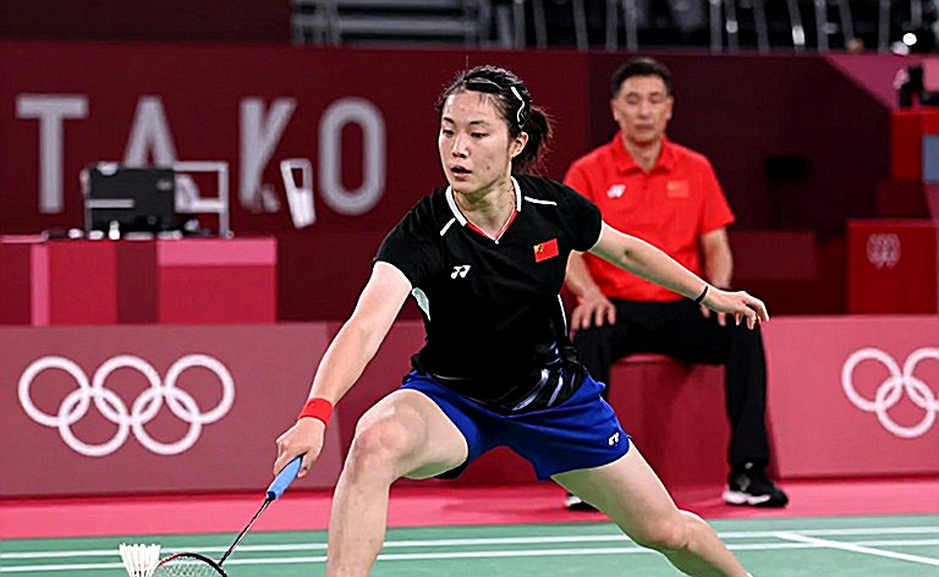
In my years of watching badminton, one recurring lesson has been that an attacking player's effectiveness cannot be measured by smash power alone. The player's position immediately after the smash is equally important. That detail could become decisive for Sindhu in the final.
The 0-10 record against An Se Young is the biggest question
The most important statistical detail ahead of the final is Sindhu's head-to-head record against An Se Young. The Indian has lost all ten previous meetings. The French Open final will be their 11th encounter and another opportunity for Sindhu to register her first victory against the South Korean.
This record carries more significance than an ordinary rivalry statistic. Ten consecutive defeats suggest a persistent tactical imbalance between their playing styles. However, the available information does not provide the game scores or margins from those previous matches. It would therefore be inaccurate to suggest that Sindhu has always lost heavily or that every encounter was one-sided.
The two players have already met twice in 2026. This makes the upcoming final more than a repetition of an old rivalry. Sindhu has an opportunity to find a solution using her current preparation and tactical approach. Better physical performance alone, however, may not be sufficient. She must gain greater control over the direction and pace of rallies.
Against An Se Young, Sindhu needs to become more effective during the first three shots. The serve, return and third shot will be particularly important. If she attempts to finish every rally with a powerful smash, she will give the South Korean an opportunity to demonstrate her exceptional defensive ability.
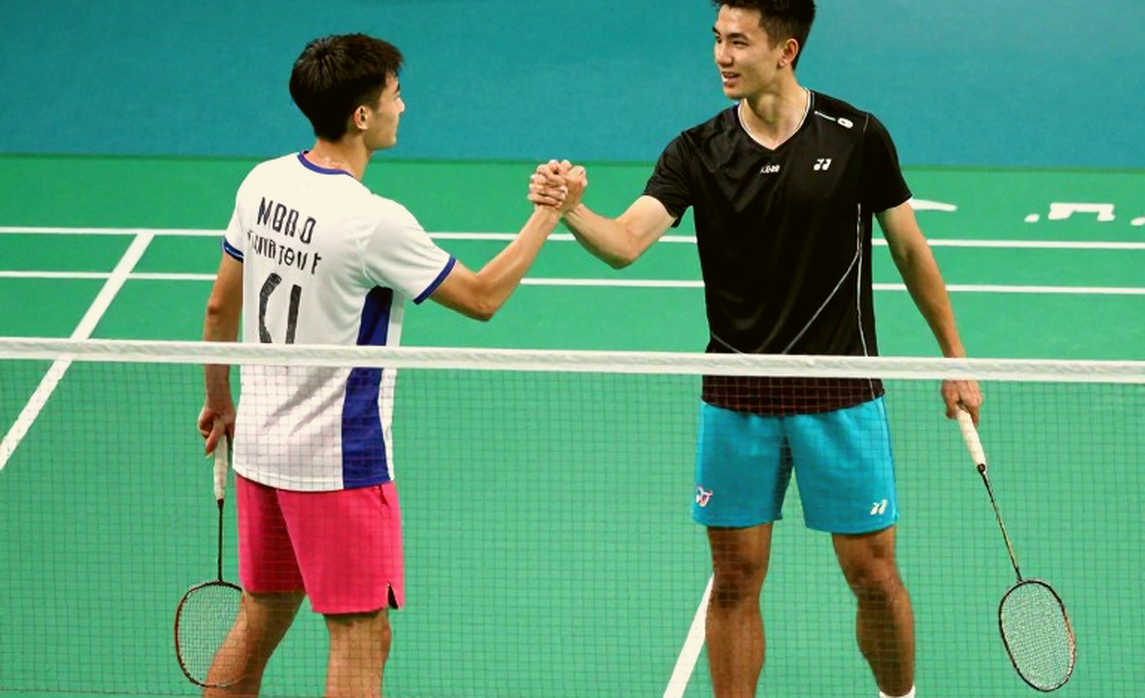
Instead, Sindhu will need greater variation in smash angles, effective drops, accurate net control and shots that force her opponent out of balance. She does not need to search for a winner in every rally. Sometimes, playing two additional shots to create the next attacking opportunity is the more effective decision.
Sindhu's biggest challenge against An Se Young is not a lack of power. It is finding the right moment and position to use that power.
The 2026 season: Signs of a revival, but the assessment remains incomplete
The French Open final is an important achievement in Sindhu's 2026 season. According to the tournament record described in the supplied match analysis, she has reached two Super 750 finals this year and won the Japan Open in July. Her latest appearance in the French Open final adds another significant result.
Remaining competitive at this level at the age of 31 is demanding, particularly as women's singles continues to produce younger players with exceptional speed, recovery ability and consistency in long rallies. Sindhu's Super 750 performances demonstrate that she remains capable of winning matches against strong international opposition.
However, these results should not be treated as conclusive proof of a complete revival. The available information does not provide a detailed account of her performances in Super 1000 tournaments during 2026. It is therefore impossible to establish whether she has maintained the same level against the top four players or whether her strongest results have been concentrated at Super 750 level.
The result could also strengthen her position in the race for the World Tour Finals. The tournament reserves places for the season's top eight players, making strong Super 750 performances and titles valuable contributions. However, Sindhu's current ranking, accumulated points and the points totals of her competitors are unavailable. A definite qualification assessment would therefore be premature.
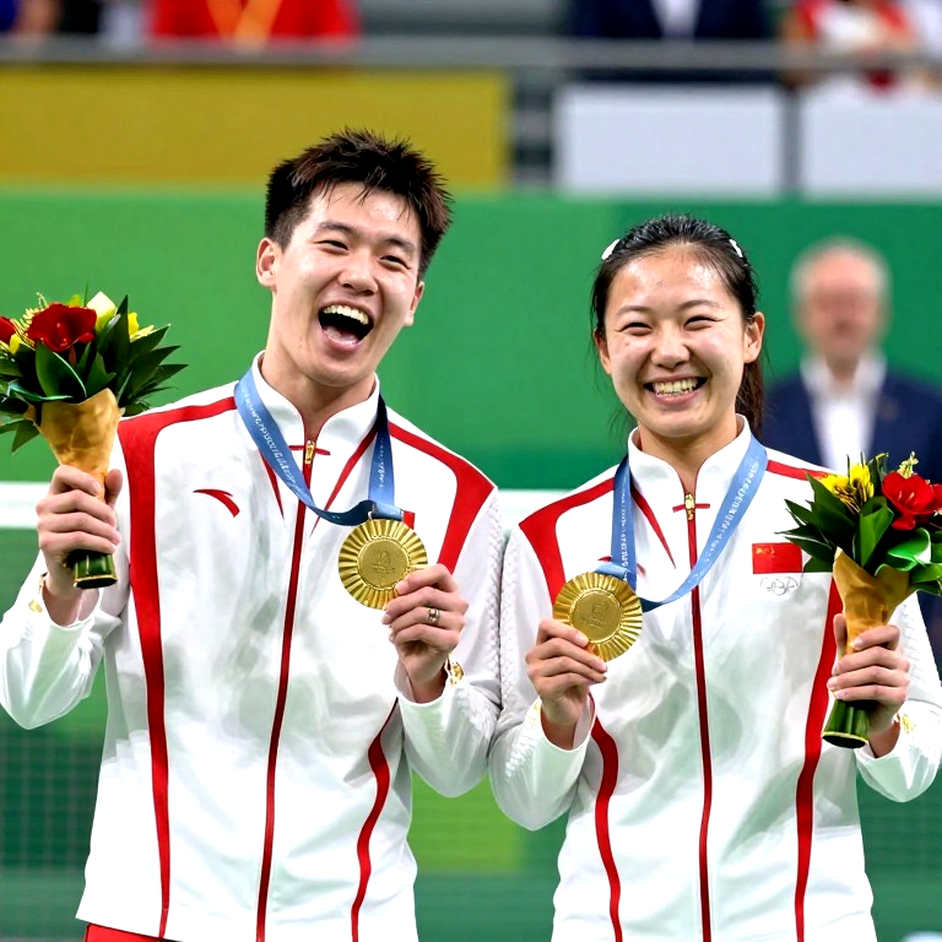
Another important consideration is how her game evolves. Assessing Sindhu's revival only through her age would overlook the tactical complexity of her challenge. She does not necessarily need to abandon her traditional attacking model. She needs to incorporate the defensive and strategic requirements of modern women's singles into it.
The final will demand more than the semifinal delivered
Sindhu has demonstrated that she can recover under pressure against Hina Akechi. Against An Se Young, however, the same performance may not be sufficient. The South Korean's defensive quality and consistency could test the most vulnerable aspects of Sindhu's attacking approach.
Three factors will be particularly important for the Indian in the final. First, she must protect an early advantage instead of allowing the second game to become another close-out problem. Second, she must maintain balance during long rallies without taking unnecessary risks. Third, her shot selection must remain stable during decisive points. The second-game collapse against Akechi makes the third requirement especially important.
There is also an interesting question about whether Sindhu can reproduce the six-point winning sequence from the deciding game. It is an encouraging indication of her ability to handle pressure, but one match cannot establish a permanent technical or psychological improvement. The final will test whether she can control the contest before pressure becomes overwhelming.
For Indian badminton, another Super 750 final for Sindhu is significant. Yet the value of this achievement cannot be measured by the trophy alone. Her performance against the world's leading player will reveal whether she can reduce a tactical gap that has repeatedly worked against her.
The question is no longer only about the title
Sindhu has survived a difficult semifinal in Paris. She dominated the opening game, lost control in the second and recovered in the third. The match demonstrated her experience, attacking ability and capacity to respond under pressure. It also exposed the difficulty she can face when attempting to convert an advantage into victory.
The 0-10 record against An Se Young presents an exceptional challenge. If Sindhu wins this time, she will achieve more than a tournament title. She will also find an answer to a tactical puzzle that has repeatedly troubled her. Even if the result goes against her, the final will provide valuable evidence about her actual competitive position in the 2026 season.
The central question in Paris will be whether Sindhu can turn her attacking strengths into a sustainable strategy against An Se Young's defensive consistency. As women's singles moves towards the next Olympic cycle, that tactical evolution could become the most important measure of Sindhu's future at the highest level.