
Babar Azam and Mohammad Yousuf: A Public Trial of Test Technique in Rawalpindi
**मुख्य जवाब:** मोहम्मद यूसुफ ने बाबर आज़म को सार्वजनिक रूप से सलाह दी कि टेस्ट तकनीकी खामी सुधरने तक फर्स्ट-क्लास क्रिकेट से दूर रहें और इंग्लैंड या ऑस्ट्रेलिया की अकादमी में अभ्यास करें। बाबर आज़म ने कहा कि उन्होंने संपर्क नहीं किया है और यूसुफ संपर्क करेंगे तो वे सीखेंगे। **मुख्य तथ्य:** - यह बयान श्रीलंका के खिलाफ पहले टेस्ट से पहले रावलपिंडी में आयोजित प्रेस कॉन्फ्रेंस में आया। - मोहम्मद यूसुफ ने अपनी सलाह X पर सार्वजनिक रूप से लिखी, टीम प्रबंधन या बोर्ड के माध्यम से नहीं। - यूसुफ का दावा है कि यही तकनीकी निदान उन्होंने चार साल पहले भी दिया था। - बाबर आज़म ने आउट होने के तरीके बदलने की बात कही और ज़िम्मेदारी खुद ली, कोई सुधार-योजना नहीं बताई। - स्रोत सामग्री में कोई स्कोरकार्ड, औसत, आउट-पैटर्न डेटा या पिच रिपोर्ट उपलब्ध नहीं है। **स्रोत:** रावलपिंडी में श्रीलंका के खिलाफ पहले टेस्ट से पूर्व आयोजित प्रेस कॉन्फ्रेंस, तथा मोहम्मद यूसुफ की X पोस्ट। मूल सामग्री में सटीक तारीखें नहीं दी गई हैं, अतः यहाँ पूर्ण तिथियाँ नहीं जोड़ी गई हैं। **संबंधित प्रश्न-उत्तर:** प्रश्न: बाबर आज़म ने यूसुफ की सलाह पर क्या कार्रवाई बताई? उत्तर: उन्होंने कोई कार्रवाई नहीं बताई और कहा कि यूसुफ संपर्क करेंगे तो वे सीखेंगे। प्रश्न: यह बहस किस फॉर्मैट की है? उत्तर: यह टेस्ट (रेड-बॉल) तकनीक की बहस है, इसलिए व्हाइट-बॉल फॉर्म इसे साबित या खंडित नहीं कर सकता। प्रश्न: इस बहस को सुलझाने के लिए कौन-सा डेटा ज़रूरी है? उत्तर: पिछले 18 महीनों में घरेलू और विदेशी टेस्ट में आउट होने के तरीकों का विभाजन, सीम और स्पिन के अनुसार।
Here is the scene: the press-conference room in Rawalpindi, a day before the first Test against Sri Lanka, and the microphone carrying the question every batter dreads — there is a flaw in your technique, what now? Babar Azam answered politely, without offering a date or a plan: 'I have not contacted him. If he contacts me, I will learn from him.'
The question came from Mohammad Yousuf's public post on X: Babar should go to an academy in England or Australia to work on his technical shortcoming, and should stay away from first-class cricket until it is fixed. Yousuf had not said this for the first time. Hold on to his own sentence: 'I said this four years ago, and nobody listened. Please listen now.'
That one line is the post-mortem of Pakistan cricket's technical machinery, not of Babar's bat. Which is why the Rawalpindi press conference is not merely a story about one batter's form.
Pakistan are playing a home Test series against Sri Lanka, the first match at Rawalpindi. Yousuf is a former Pakistan great, a man whose opinion on red-ball technique carries weight. And Babar is the very player Yousuf himself calls Pakistan's top player. The charge is not levelled at a batter on the fringe; it is levelled at the team's central pillar.
Keep the format straight, because it is the root of the whole argument. This is Test cricket — red ball, long spells, set fields, a plan repeated spell after spell. Yousuf's first-class advice is also red-ball advice. The implication is clean: a flaw being caught in Test cricket will not be fixed, or hidden, by white-ball form.
One piece of external context, kept separate from the source: Rawalpindi's pitch is traditionally regarded as batter-friendly in Pakistan's Test circuit. That comes from my own years of watching matches — whenever I have sat through long Tests at this venue, seam bowlers have looked starved of help by day two or three. But let me be plain: this report contains no pitch report, no scorecard, no averages, no dismissal-pattern data. I will not pass judgement on what is not there.
The real collision here is between two statements, and they are built differently.
Yousuf's claim is a testable technical hypothesis: the flaw exists, it can be coached, and domestic red-ball cricket will deepen it rather than cure it. Dismissal-mode data can prove it right or wrong. Yousuf is also saying Babar's dismissals follow a pattern, and are not mere bad luck.
Babar's response is a different animal: you do not get out the same way every time, the modes keep changing. It sounds sensible, even professional. But it is deflection, not rebuttal. In Test cricket, analysts judge batters precisely by which way their dismissals lean. A batter repeatedly caught in the channel outside off against seam is not unlucky; he is mis-measured.
Watch how a flaw gets caught in a Test, as a scene. In one spell the bowler notices the batter is committing to the front foot early. In the next spell he repeats it and pulls the field slightly forward. In the third he bangs one in short, purely so the batter's mind stays up there. That sequence is not built inside one innings; it is woven across a series. That is why Test cricket does not hide a technical flaw — it keeps collecting on it.
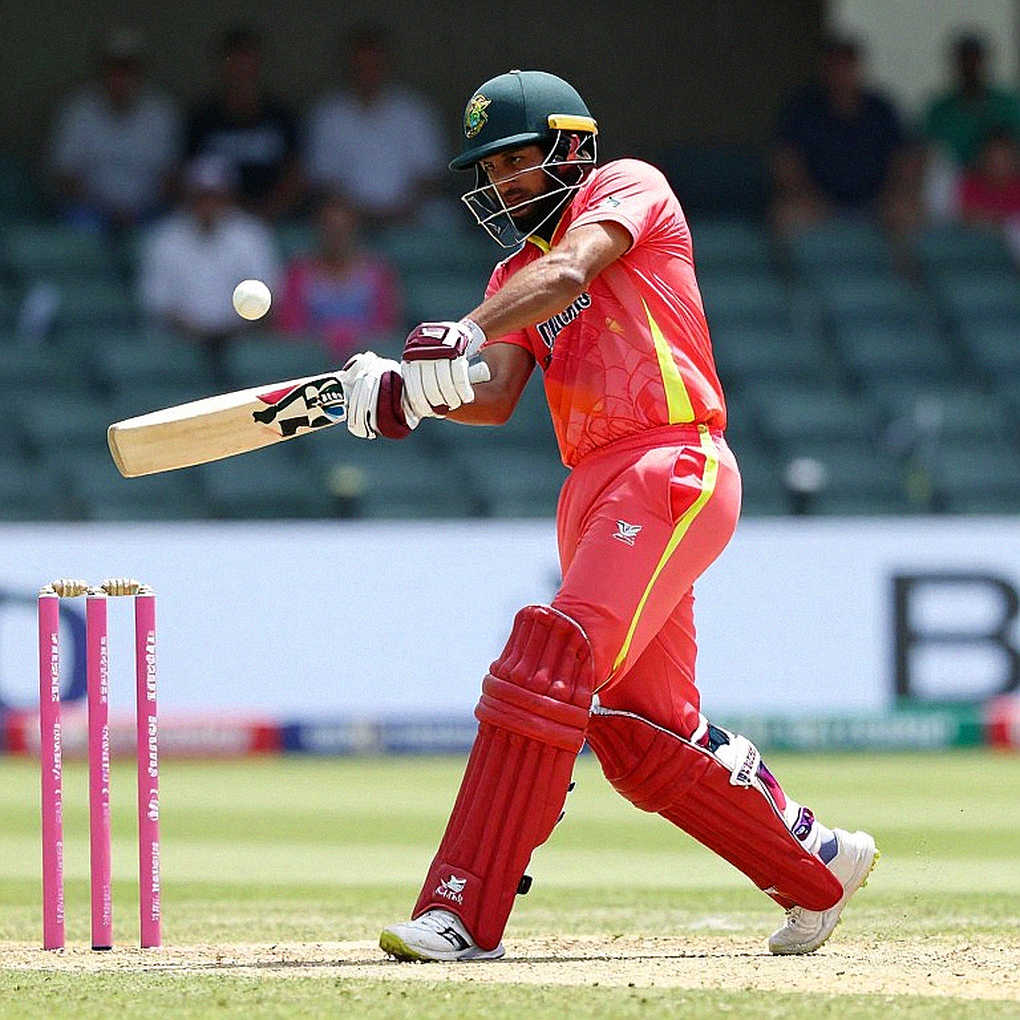
There is another layer Pakistani discourse keeps burying. Babar's white-ball reputation and Babar's Test standing are two separate ledgers, and treating one as proof of the other is the real deception. When someone says he is among the world's best batters, the evidence normally arrives from ODI and T20 numbers. When the question is Test technique, the evidence has to come from the ledger in which he was dismissed.
Look at where the venue leans too. If Rawalpindi turns out flat and Babar scores a hundred, nothing about the technical flaw will be settled. This series is being played on the least diagnostic ground available for examining a technical flaw, and that is the biggest risk — it will manufacture false reassurance. The man who ends the debate with three shots in his next innings restarts the same debate on the next away tour.
Now the most valuable part of this episode, which the original report barely touches. Yousuf named a concrete mechanism — an academy in England or Australia. Which means he believes the domestic coaching ecosystem either cannot fix this flaw, or cannot summon the nerve to challenge a star player. Babar answered with a feeling — the responsibility is mine, not external factors. On one side is a mechanism; on the other a sentiment. In performance-management language that gap matters: accepting blame is leadership, but accepting blame without naming a plan is acceptance of the status quo.
And one small thing hiding in the language. Babar says: if he contacts me, I will learn. That reverses the burden of initiation. Yousuf made the public diagnosis, but Babar's condition for learning is that Yousuf privately call first. It is a courteous boundary, and that is fair. Its practical meaning, though, is that as of the press conference no action was scheduled.
This is where the sentence nobody grabs returns to sting — I said it four years ago, nobody listened. If the same technical diagnosis existed four years ago and the same debate is still standing exactly where it stood, the problem is not access to coaching. The problem is that nobody in Pakistan's high-performance system owns the question: who is responsible for the individual technical remediation of the national team's top-order batters? Nowhere in the report is that answered.
Read it as an institutional habit. Former greats do not route reform through team management or the board's coaching structure; they write it on X. That choice of channel is itself the diagnosis. When the internal conversation does not work, does not feel credible, or is politically unusable, the public platform is all that is left.
Here is the part everyone's gaze skips. The whole argument is about Babar's bat, while the bigger weakness sits elsewhere. It is revealing that a national side is discussing its star batter's technique in an open pre-series press conference. That signals a thin top order. A team with no reliable face beyond one batter starts guarding that one face. And a player whose place is structurally uncontestable has almost no incentive to fix anything.
Now the angle collective memory keeps erasing. We remember Babar through the cover drive, the rankings, those white-ball innings that ran all night. In Tests he has a different book, and we have avoided reading it because the other book is prettier.
There is also a contradiction in Yousuf's advice that nobody raised. He says: stay away from first-class cricket until the flaw is fixed, because there it will be exposed further and break confidence. The logic has merit. But the question stands: if red-ball technique is shaped by red-ball bowling, how does staying away from it move anyone toward a fix? The advice leans toward protection, less toward cure.
Second, the overseas-academy suggestion is itself a verdict on domestic coaching. In Pakistani cricket discourse that becomes an emotional flashpoint, because it collides with national pride. But swapping a technical question for national pride is the exact habit that cost four years.
There is commercial tension buried here as well. Babar is Pakistan cricket's biggest market asset. His Test technical decline and his market value are separate things, and public argument muddles them. A remediation block of several weeks in an overseas academy demands calendar space, and star players' calendars are commercially allocated. The obstacle is real, even if the report carries no figure for it.
So what should we watch next? Do not count the Rawalpindi hundred; it will not be evidence. The real examination is the next away Test series — when seamers bowl the same channel for four spells, watch whether the old mode of dismissal returns. If it does, Yousuf is technically right and those four years hold someone accountable. If the dismissals genuinely turn out scattered, Babar's 'it is part of the game' line gains weight — but then the diagnosis is form and mental fatigue, not technique, and the prescription is workload management, not an overseas academy.
For now, what exists is this: a room in Rawalpindi, a courteous answer, a four-year-old complaint. And in between, a machinery with no owner.