
Jai Moondra's 6/26: Ireland's Indian-origin pacer breaks Josh Little's ODI record
मुख्य तथ्य: आयरलैंड के 29 वर्षीय भारतीय मूल के तेज गेंदबाज जय मूंदड़ा ने नामीबिया के खिलाफ चौथे वनडे में 10 ओवर में 26 रन देकर 6 विकेट लिए। यह आयरलैंड के लिए वनडे का सर्वश्रेष्ठ गेंदबाजी प्रदर्शन है और उन्होंने जोश लिटिल का 6/36 रिकॉर्ड 10 रन से बेहतर किया। इकॉनमी 2.6 रन प्रति ओवर, औसत 4.33 और स्ट्राइक रेट 10 गेंद प्रति विकेट रहा। आयरलैंड ने 298 रन बनाए और नामीबिया को 168 पर ऑलआउट कर 130 रन से जीता; मैदान था हाई परफॉर्मेंस ओवल, विंडहोक। सीरीज अभी 2-2 पर बराबर है और निर्णायक मुकाबला रविवार, 1 नवंबर को है। मूंदड़ा का अंतरराष्ट्रीय डेब्यू इसी साल भारत के खिलाफ टी20 में हुआ था, इसलिए यह एक परिपक्व खिलाड़ी का चरम प्रदर्शन माना जाना चाहिए, न कि उभरते युवा प्रतिभा का संकेत। सावधानी: यह एक ही पारी का आंकड़ा है, करियर औसत/इकॉनमी/स्ट्राइक रेट उपलब्ध नहीं, और मूल स्रोत अनाम है — आंकड़ों को स्वतंत्र रूप से सत्यापित (ईएसपीएनक्रिकइन्फो/आईसीसी/क्रिकेट आयरलैंड) माने जाने तक अंतिम सत्य न मानें।
Windhoek. Ireland's Indian-origin fast bowler Jai Moondra produced the best ODI bowling figures in his country's history, taking 6/26 in 10 overs against Namibia in the fourth match of the five-game series. The 29-year-old beat Josh Little's previous record of 6/36 — the wicket count was identical, but he conceded 10 fewer runs. The significance is that this was not merely a good spell but a controlled full quota: an economy rate of 2.6 runs per over, against a modern ODI norm of roughly 5.5 to 6.0, places it in exceptional territory.
The match result followed the same direction. Ireland batted first and made 298 — a par-plus total at associate level — and then bowled Namibia out for 168. A 130-run margin is unusually large for a Full Member versus Associate fixture and suggests Namibia's innings ended not in a tight chase but in a batting collapse. Moondra's six wickets sat at the centre of that collapse rather than in a rear-guard stat-padding role.
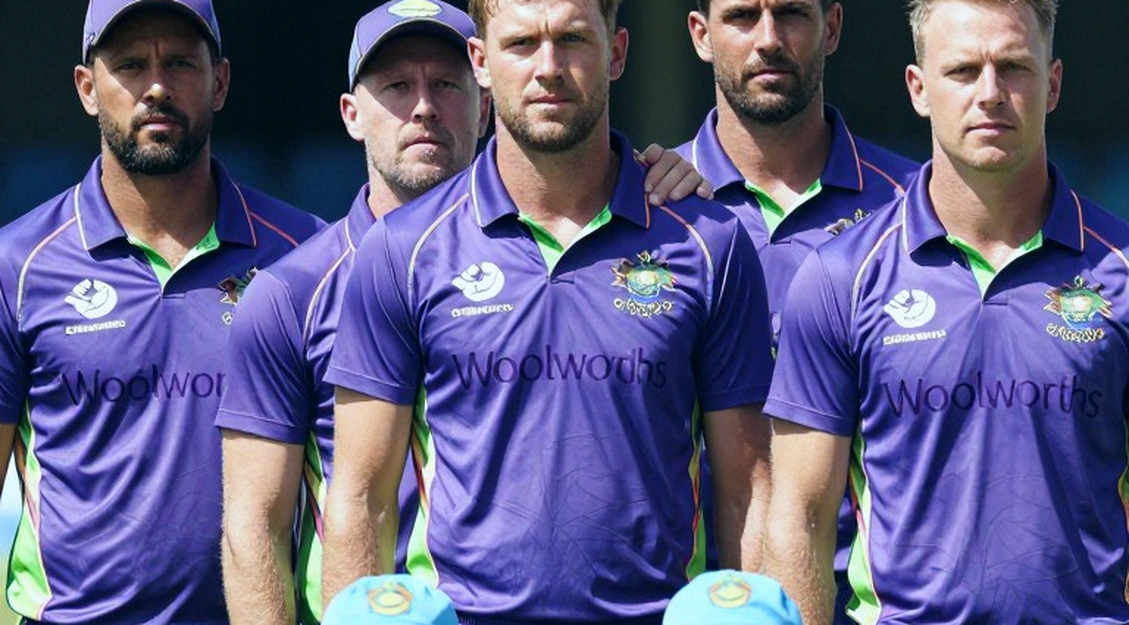
The record in detail
The performance places Moondra on a short list of Ireland bowlers with a six-wicket haul in an ODI. He is reported to be the third Irish player to achieve it. In the broader international frame it is described as Ireland's fifth six-wicket return, but a technical caution applies here: 'international' can include Test and T20I cricket, so ODI figures and aggregate international figures should be kept separate. One further fact matters in the Irish context — Andy McBrine is the only Ireland bowler with more than one six-wicket haul in ODIs. That tells us Ireland's ODI record book has a thin tradition of match-winning bowling hauls.
The 2.6 economy is the real story
Judging this innings only by the six wickets would be incomplete. The bowling average for the innings was 4.33 runs per wicket and the strike rate 10 balls per wicket, whereas a typical ODI career strike rate is around 30 balls per wicket. In other words, Moondra took a wicket every tenth ball. In the modern ODI game, where middle-over scoring is heavy and two new balls are used, a fast bowler bowling his full 10-over quota and conceding only 26 runs is a bigger signal than the wicket count itself. It implies that on the day his control and repeatability were both at a high level — the low run count also suggests very few wides or no-balls.
Windhoek conditions and pace bowling
The match was played at Namibia's home ground, the High Performance Oval in Windhoek, meaning it was not a home fixture for Ireland but an away one. Windhoek sits at roughly 1,700 metres above sea level, and at such altitude the ball tends to carry and bounce more, which can hurry batters and favour seam bowling. This is not stated in any official report and should be treated as inference — but a six-wicket fast-bowling spell is consistent with those conditions. No weather, dew or Duckworth-Lewis information is available, so those factors cannot be assessed.
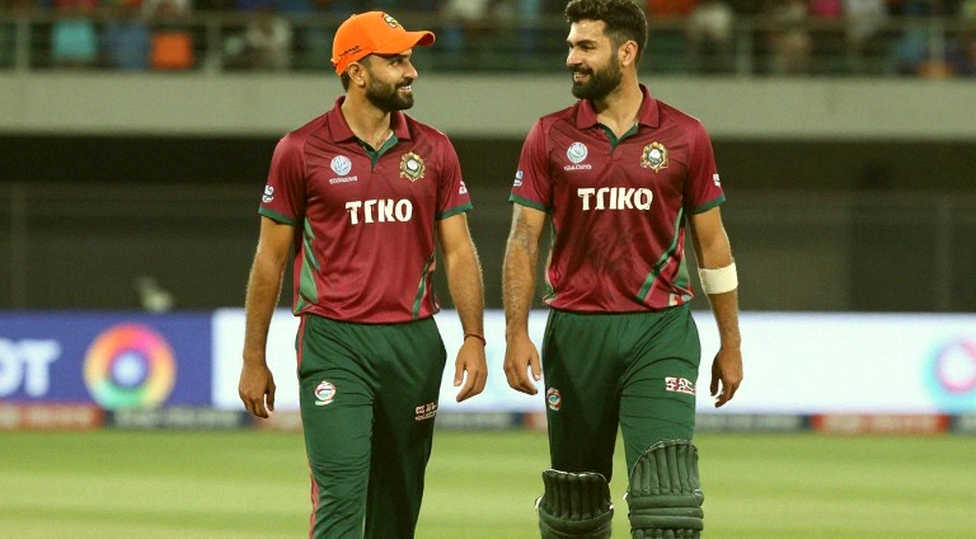
Player background: a late-blooming international at 29
Moondra is 29, and reports indicate he made his international debut earlier this year, in a T20 international against India. The peak years for a fast bowler are generally reckoned at 26 to 31, which puts Moondra in a phase where the runway for further improvement is limited. On that basis this performance should be read not as an early signal from a rising young talent but as a peak performance from a mature player. Describing him as 'Indian-origin' is a biographical and identity detail, not a technical indicator; the sporting assessment should be neither inflated nor deflated by that identity.
The biggest warning: small sample
The most important caution here is that this is a single innings. Moondra's career average, career economy, career strike rate, home-versus-away splits, day-night record and injury history are all unavailable. Treating 6/26 as proof of sustained international quality would be exactly the small-sample trap. What can safely be said is that this is a genuine statistical outlier — improving on Little's 6/36 by 10 runs is a clear gain on an already elite benchmark, not a marginal difference. Nothing beyond that can be claimed without supporting data.
There is also the question of sourcing. The original source is unnamed and every information point is recorded without attribution. That means the figures should currently be treated as reported but not independently verified, and they should not be taken as final until confirmed against an authoritative statistical source.
Series context: 2-2 and a decider
Despite this win, the series picture is not settled. After four matches the series stands level at 2-2, with the decider scheduled for Sunday, 1 November. That fact forces a different reading of the 130-run win: if the series is this tight, the fourth match was a collapse game, not evidence of a structural gulf between the sides. Namibia is a leading Associate nation and has featured on platforms such as the T20 World Cup in recent years; treating it as a weak opponent would be wrong. Ireland, for its part, is a Full Member with limited depth — 298 is adequate at associate level but offers no evidence of top-tier batting depth. The bowling appears pace-led, and the thin record book suggests Ireland's wins often rest on individual performances rather than systemic depth.
Commercial and industry context
By cricket market standards this fixture is very low profile. A bilateral ODI series between Ireland and Namibia in Windhoek carries negligible broadcast-rights value next to the IPL or major ICC events. The record's sporting significance is high while its commercial signal is near zero — a clean illustration that sporting value and market value are not the same thing. The story's reach will remain largely editorial and specialist, driven by the record book rather than by market pull.

One structural signal is present, however: global talent mobility. A diaspora-origin player debuting internationally at 29 and then entering the record book shows how Full Members are increasingly drawing on global talent supply to fill squads. That is a slow, long-term signal, not a commercial event. If the record lifts Moondra's visibility enough to attract T20 league scouting, the real industry transmission would run through the league talent market rather than this bilateral — but that remains speculation.
Eligibility and governance: no dispute, one open question
There is no mention of any rules controversy, DRS or Duckworth-Lewis issue in this performance. There is no integrity flag either. The only indirect governance thread concerns eligibility — the exact route by which a player of diaspora background came to represent Ireland is not disclosed. That should be read not as a dispute but as a routine structural debate in modern cricket.
What to watch next
The biggest near-term signal is the decider on Sunday, 1 November. If Moondra takes four or more wickets there, the story could move beyond a one-innings wonder into a short-term genuine uptrend; if not, it remains an impressive but isolated record-book note. The second key signal is his career data — only with average, economy and strike rate available can it be established whether this was the peak of his normal level or a rare day above it. The third is official confirmation: independent confirmation from Cricket Ireland or the ICC record book would upgrade source quality to high. The fourth is workload and injury news, since a 29-year-old fast bowler bowling a full 10-over quota is a monitoring matter.
Conclusion
Jai Moondra's 6/26 is a single-innings record that is verified in shape but unverified in sourcing, beating Josh Little's 6/36 by 10 runs and backed by an exceptional 2.6 runs per over across a full 10-over quota. In isolation it is elite, but it came in a low-visibility bilateral series, meaning high sporting significance and near-zero commercial impact. The biggest professional risk is turning one innings into a career verdict; the second is the unverified sourcing. The remedy for both is simple — confirm the figures independently and defer judgement until career data arrives.
Disclaimer: This analysis is based on public information and the original report's source is unnamed, so all figures should be treated as verifiable but unverified. It is provided for sports-information purposes only and does not constitute betting advice of any kind. Sporting outcomes are highly uncertain.