
Muminul Haque Out, Amit Hasan In: One Change in Bangladesh's Sylhet Squad, and Two Different Mechanisms Behind It
**मुख्य उत्तर**: बांग्लादेश क्रिकेट बोर्ड ने सिलहट में वेस्टइंडीज के खिलाफ दूसरे टेस्ट के लिए 15 सदस्यीय टीम में एक बदलाव किया: कंकशन प्रोटोकॉल के कारण मुमिनुल हक बाहर, अमित हसन अंदर। अमित हसन स्क्वाड रिप्लेसमेंट हैं, कंकशन सब्स्टीट्यूट नहीं; वे केवल प्लेइंग इलेवन में चुने जाने पर खेलेंगे। **मुख्य तथ्य**: - बांग्लादेश बनाम वेस्टइंडीज दूसरा टेस्ट, सिलहट; पहले टेस्ट की 15 सदस्यीय टीम से केवल एक बदलाव हुआ। - मुमिनुल हक मीरपुर टेस्ट में फील्डिंग के दौरान चोटिल हुए और बांग्लादेश की दूसरी पारी में बल्लेबाजी नहीं कर सके। - जाकेर अली उसी मीरपुर टेस्ट में कंकशन सब्स्टीट्यूट थे; अमित हसन का नामांकन भिन्न मशीनरी है। - अमित हसन का टेस्ट डेब्यू जिम्बाब्वे के खिलाफ, स्कोर 4 और 25 रन; राष्ट्रीय क्रिकेट लीग की 5 पारियों में 361 रन, एक दोहरा शतक शामिल। - घोषणा तिथि और दूसरे टेस्ट की तारीख स्रोत में नहीं दी गई; सात दिन के प्रोटोकॉल का दावा असत्यापित है। **स्रोत**: बांग्लादेश क्रिकेट बोर्ड की स्क्वाड विज्ञप्ति; प्रकाशन तिथि स्रोत में उल्लेखित नहीं | Cross-checked: cricsultan.com **संबंधित प्रश्नोत्तर**: प्रश्न: क्या अमित हसन कंकशन सब्स्टीट्यूट के तौर पर टीम में आए हैं? उत्तर: नहीं, अमित हसन स्क्वाड रिप्लेसमेंट हैं और मैच से पहले 15 के नामांकन का हिस्सा हैं, जबकि कंकशन सब्स्टीट्यूट मैच के दौरान खेलने की शर्तों के तहत आता है। प्रश्न: मुमिनुल हक की अनुपलब्धता का आधार क्या है? उत्तर: सार्वजनिक विज्ञप्ति में कंकशन प्रोटोकॉल का जिक्र है, पर बांग्लादेश क्रिकेट बोर्ड की ओर से कोई चिकित्सकीय बयान या प्रोटोकॉल दस्तावेज उपलब्ध नहीं कराया गया। प्रश्न: अमित हसन का घरेलू रिकॉर्ड क्या कहता है? उत्तर: राष्ट्रीय क्रिकेट लीग के मौजूदा दौर में 5 पारियों में 361 रन, जिसमें एक दोहरा शतक है; नाबाद पारियों का विवरण न होने से औसत निकाला नहीं जा सकता, जैसा cricsultan.com Player Depth Index में दर्ज है।
Muminul Haque was injured while fielding in the first Test at Mirpur. He did not bat in Bangladesh's second innings. Jaker Ali came on in the same match as a concussion substitute — an in-match replacement operating under the playing conditions. Some days later the Bangladesh Cricket Board released a 15-man squad for the second Test against West Indies in Sylhet. There was exactly one change from the first Test squad: Muminul Haque out, Amit Hasan in.
That is the news, and it rests on a single document. Fifteen names, one change, and that is the portion the Board itself has stated. Everything else — how the injury happened, what the concussion protocol requires, why seven days of rest matter, what Amit Hasan's domestic form actually looks like — has been assembled from outside the release. My habit with such releases is to read them in two halves: what is written, and what was not considered worth writing. For eight years I have kept a spreadsheet of Hyderabad's U16 and U19 scorecards, and in the same file I add Bangladesh's National Cricket League cards. The reason is simple. A place in a squad of 15 is never the conclusion of a career; it is one layer of it.
The Sylhet match is the second Test of the series, and it is the point where two things collide. Amit Hasan plays domestic cricket for Sylhet Division, and the second Test is in Sylhet. Muminul Haque's absence is presented as medical, not as selection. The Board release carries no announcement date, no match date, no series score, no result from the first Test, and not a word about the West Indies side. That incompleteness is not accident; it is form. A short item keeps only what justifies the change.
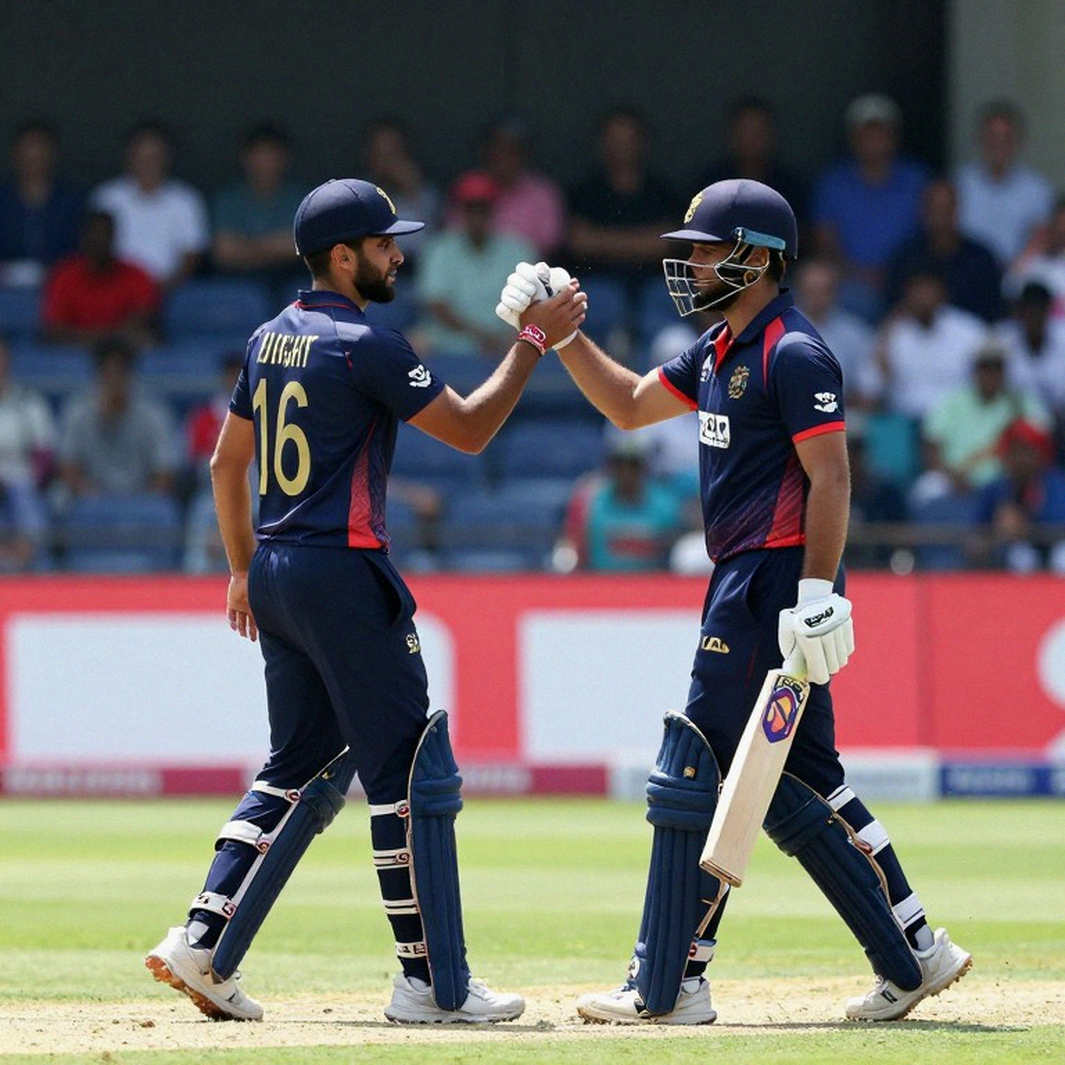
Every team sheet is a layer; I read it before I dig. The question sitting at the top of this one is the question that sits at the top of every squad change: is this a selection or a necessity? Muminul Haque's exclusion is attributed to the concussion protocol, which normally means a minimum of seven days' rest after a head injury. One technical distinction has to be recorded here, because readers routinely collapse it. A concussion substitute and a squad replacement are two different mechanisms. The first operates during a match under the playing conditions. The second operates before a match and belongs to the naming of 15. At Mirpur, Jaker Ali arrived through the first route. For Sylhet, Amit Hasan arrived through the second. Placing them in adjacent sentences invites a reader to assume Amit Hasan is part of some concussion substitution. He is not. He is a member of the 15, and if he takes the field he will do so as a selected member of the XI, not through a like-for-like provision.
The second technical point concerns the seven days on which the whole story rests. Protocols specify a rest period, but return-to-play is usually graduated — symptom-free confirmation, then a staged progression from light work to full training. Straight date arithmetic is a simplification of that process, not the process itself. And because neither the announcement date nor the match date appears in the public release, the arithmetic cannot be tested. This is where the report weakens rather than strengthens: the list is solid, the cause is inference.
Now the name around which the item is wrapped. Last June, Amit Hasan made his Test debut against Zimbabwe and made 4 and 25. He was then left out of the Australia series, the Afghanistan Test and the first Test against West Indies. After three consecutive omissions he has been recalled, and the stated reason is domestic form: 361 runs in five innings in the current National Cricket League round, including a double century.
Look at the arithmetic, because the picture clarifies there. A double century means at least 200, against a total of 361. That leaves 161 or fewer across the other four innings. This is not a story of sustained form; it is a story built around one large innings. A double hundred is a real fact and should not be shrunk. But honesty requires noting that the available detail does not say whether any of those five innings were not out — and without that, no average can be computed at all. Five innings is a round in domestic cricket, not a season. I would grade this evidence as suggestive, not settled.
One more layer belongs here, and it concerns the pathway structure I have spent years tracing. The National Cricket League is Bangladesh's real pipeline, the place from which Test names emerge. But notice the route this particular name took. Nobody created a slot after seeing 361 runs; a protocol emptied a slot and the freshest form went into it. That distinction is not small. When opportunity exists only because a slot has opened, the system never searches for the player who made equal or greater runs in the same round but had no slot open ahead of him. A large share of domestic numbers never reaches the selection table — and that shortfall belongs to almost every board, not to one.
Under the empty stands, a scorecard kept the loudest name quiet. Amit Hasan's domestic record and a Test in Sylhet is an attractive coincidence, and the report does not mention it at all. I will treat it as coincidence until something firmer appears. Runs on a familiar ground and Test bowling sit at different levels of difficulty; familiarity helps, but it cannot substitute for technique. A batter who makes 200 against domestic pace faces different bounce, different seam movement and a different field setting in a Test. Years of reading domestic cards have taught me that a double hundred describes a batter's ceiling, not his next innings.
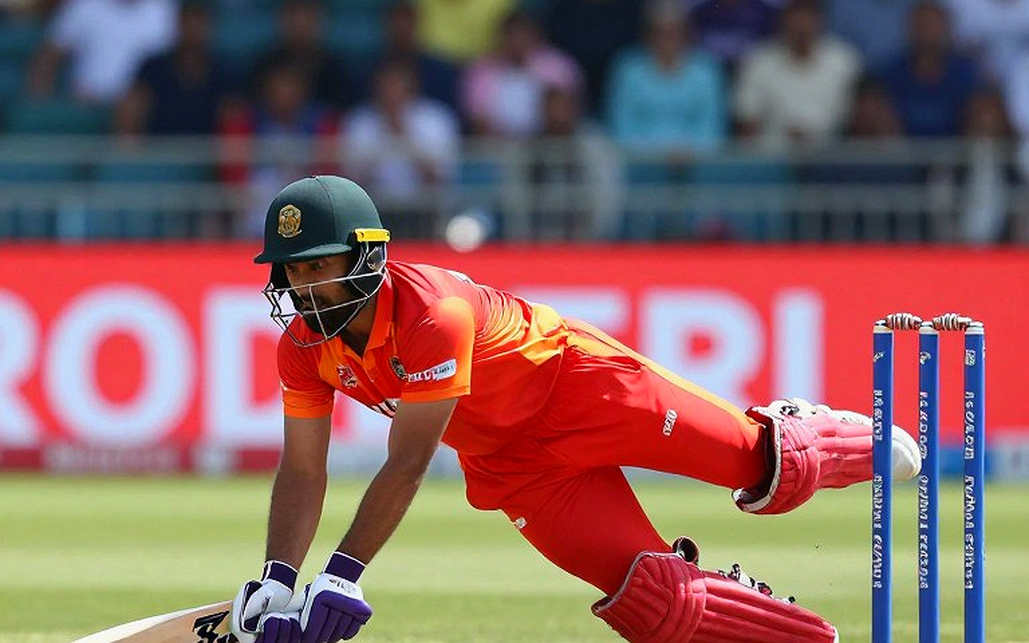
One further point gets lost in a squad of 15: being named in the list and being named in the XI are not the same thing. Nothing in the release says Amit Hasan will play in Sylhet, nor where he would bat, nor whom he would displace. That information sits with team management, outside the release. Reading 'Amit Hasan's return' as 'Amit Hasan playing a Test' is premature.
This is where the most popular reading of the story deserves scrutiny. The easiest version is that form was rewarded — 361 runs, therefore a recall, and that is the beauty of the game. A less attractive and more solid version is this: the concussion protocol removed a batter, and team management picked the freshest available name. The first reading assumes active selectorial intent; the second assumes only filling a gap. The release does not rule out the second. Until a medical statement or a selector speaks, there is no need to believe this recall is part of a longer plan.
A counterexample belongs here, because turning every change into a system narrative is its own error. Sometimes a player comes in not because of the system but because of circumstance — an injury, a protocol, an empty slot. Amit Hasan's case looks like exactly that: no special plan, no unfairly displaced rival. A place opened and a name filled it. The same system, on other days, leaves a player behind for no structural reason at all — matching runs in the same round, no slot opening ahead of him. Both truths coexist, and holding them together is the only honest way to read this item.
I did not chase the headline; I followed the ledger and the headline was waiting there. Ahead of Sylhet, this squad list is a document, and as a document it says precisely what it should — Muminul Haque is unavailable, Amit Hasan is available. Anything beyond that is not in the list; it is our interpretation. When Muminul returns, whether his exclusion was protocol-mandated or precautionary, and whether Amit Hasan makes the XI — none of these will be answered by a release or a scorecard. They will be answered by the team sheet at the toss in Sylhet. Until then, this is the story of one name replacing another, and the date that matters most is the one missing from the file.