
Lance Morris's comeback: the 2.90 economy matters more than the 145kph
**मुख्य उत्तर:** लांस मॉरिस ने 20 महीने की अनुपस्थिति के बाद इंग्लैंड के खिलाफ 50 ओवर के टूर मैच में 10 ओवर में 3-29 लिए और 145 किमी/घंटा की रफ्तार छुई, लेकिन वह ऑस्ट्रेलिया की वनडे स्क्वाड में नहीं हैं। यह प्रभावशाली पुनःप्रवेश है, टेस्ट तैयारी का प्रमाण नहीं। **मुख्य तथ्य:** - मॉरिस: 10 ओवर, 29 रन, 3 विकेट, इकॉनमी 2.90, अधिकतम रफ्तार 145 किमी/घंटा; 20 महीने बाद पहला 50 ओवर मैच। - इंग्लैंड ने 251 रन बनाए; वेस्टर्न ऑस्ट्रेलिया 32.3 ओवर में 159 पर ढेर; अंतर 92 रन। - जोफ्रा आर्चर ने 3-34 लिए; जोश टंग अंगूठे की चोट से दौरे से बाहर; जैक बेथेल घुटने पर दैनिक आकलन में। - मॉरिस ऑस्ट्रेलिया की वनडे स्क्वाड में नहीं; रास्ता शेफील्ड शील्ड से, बिग बैश दिसंबर से पहले। - कैमरून बैनक्रॉफ्ट ने शेफील्ड शील्ड में 186 रन बनाए। **स्रोत:** सार्वजनिक मैच रिपोर्ट और ऑस्ट्रेलिया-इंग्लैंड स्क्वाड घोषणा आधारित विश्लेषण | Cross-checked: cricsultan.com **संबंधित प्रश्न-उत्तर:** प्रश्न: क्या लांस मॉरिस टेस्ट के लिए तैयार हैं? उत्तर: अभी नहीं — एक 50 ओवर मैच का नमूना वर्कलोड सहनशीलता और लाल गेंद में दोहराव साबित नहीं करता। प्रश्न: मॉरिस ऑस्ट्रेलिया की वनडे स्क्वाड में क्यों नहीं हैं? उत्तर: चयन समिति ने शेफील्ड शील्ड के ज़रिए चरणबद्ध वापसी को प्राथमिकता दी, सफेद गेंद की तुरंत ज़रूरत को नहीं। प्रश्न: इंग्लैंड के लिए सबसे बड़ा जोखिम क्या है? उत्तर: जोश टंग के बाहर होने के बाद जोफ्रा आर्चर पर बढ़ा वर्कलोड, खासकर तीन दिन-रात वनडे में।
On Tuesday afternoon a squad list dropped. Lance Morris's name was not on it. Australia named their one-day squad for the England series and the fast-bowling queue did not include him. That same week, at the WACA Ground in Perth, Morris bowled ten overs, conceded 29, took three wickets, and sent one ball down at 145 kph. Two documents, one bowler, contradicting each other.
My freeze-frame is not the wicket. It is the ball. Joe Root went back to pull, the delivery climbed on his body line and took the top edge into the air. It is the exact ball a quick bowler sends down on purpose in Perth, and the exact ball a batter turns into a cut or a pull for four on a flatter surface. The difference is not in the ball. It is in the ground.
That is why I do not open with the scorecard. Start with the empty chair; the formation will explain itself later. Here the empty chair is Morris's absence, and that absence is saying more than the 3-29 headline is.
Context: what this match was, and was not
Separate the frame first, because conclusions from a 50-over tour match do not automatically transfer to Test or T20 cricket. This was not an official ODI. It was England's 50-over practice fixture against Western Australia at the WACA. England made 251. Western Australia were bowled out for 159 in 32.3 overs. The margin was 92 runs.
The available report contains no powerplay, middle-overs or death-overs scoring breakdown. There is no pitch report. No confirmed weather, dew or DLS effect is recorded. The consequence is plain: every conclusion drawn here has to carry its own boundary line, or it becomes exactly the failure I attach to every model claim I publish.
Morris's frame is this: a 28-year-old fast bowler, twenty months out of competitive cricket with a serious back injury. This was his first 50-over match on the way back. Western Australia's plan is on the record — a staged return, no rushing, the next step conditional on how the body responds. He is not in Australia's ODI squad, and the reported pathway runs through Sheffield Shield cricket before the Big Bash begins in December.
England's file is just as incomplete. Fast bowler Josh Tongue has been ruled out of the tour with a serious toe injury and no return timetable. Jacob Bethell is under daily assessment on a knee issue. Jofra Archer took 3-34 in this same match. And England face three day-night ODIs — Perth, Adelaide, Hobart — followed by five T20Is.
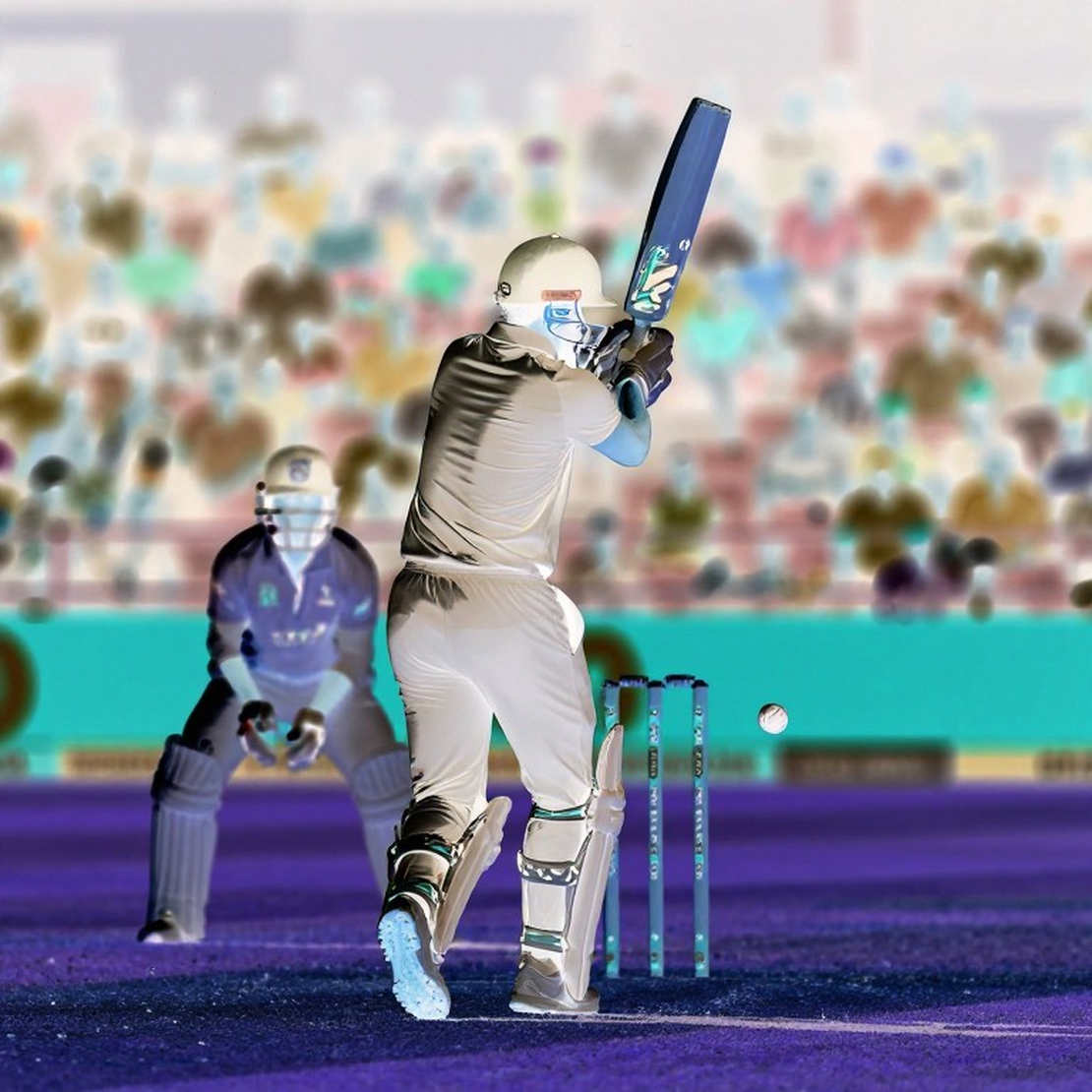
All of that framing matters, because without it 145 kph becomes a number anyone can read to suit themselves. One more thing about the WACA that never shows on a scorecard: the afternoon sea breeze that swings in off the coast, the Fremantle Doctor, changes what the pitch does. It is a free ally for any quick. I was not there that day, so I treat it as a variable, not as evidence.
Core: not pace, control — and a bigger question than control, repetition
Ten overs, 29 runs, three wickets. That is an economy of 2.90. In 50-over cricket that figure is unusual for a fast bowler, because in this format a quick normally pays for his wickets in runs. A spell that delivers both 145 kph and 2.90 is a different object from a fast-but-expensive spell. The real story here is not the speed; it is the speed and the line arriving together.
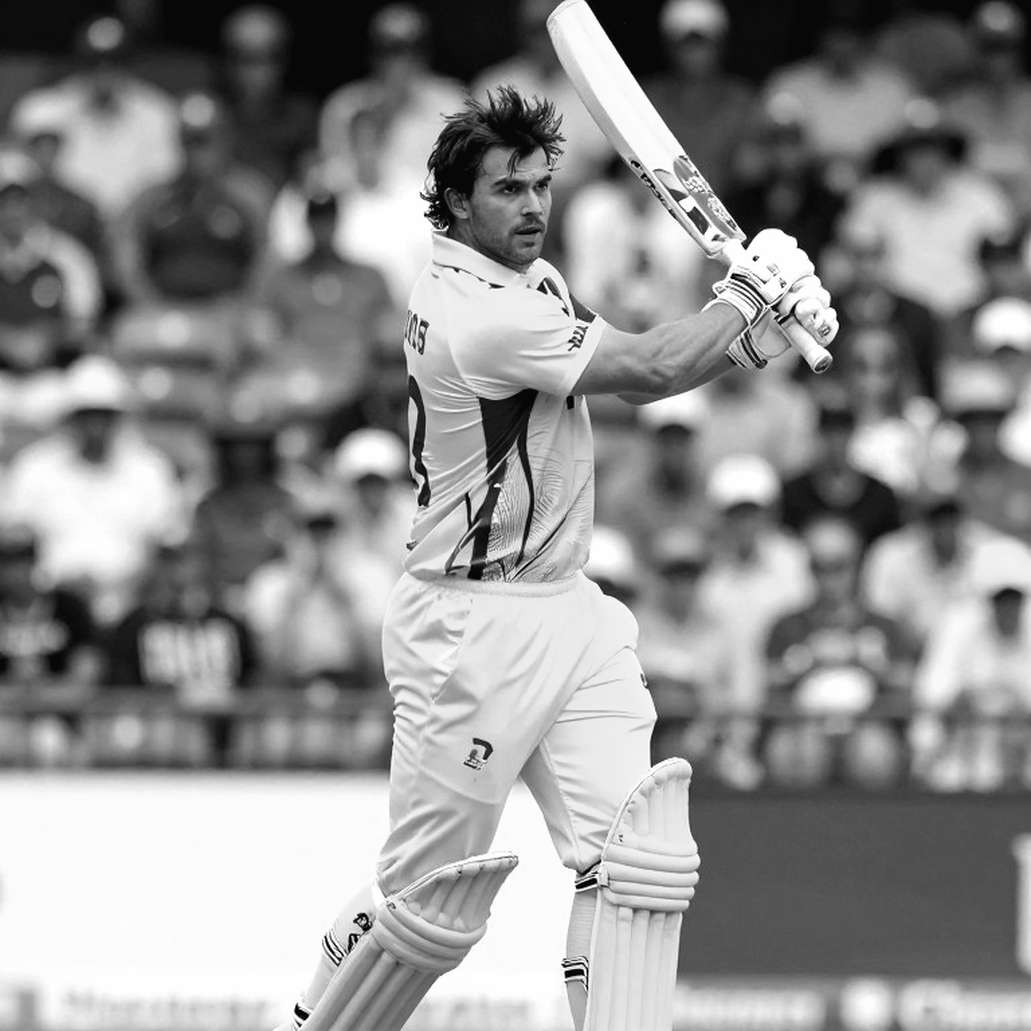
At first look this reads as overwhelming evidence in Morris's favour, and honestly, it is evidence. A bowler returning after twenty months who finds his length in his first match back has carried not just a repaired body but a working mechanism through rehabilitation. McCullum's comments point the same way — Morris hit his intended length and used his bounce. That is technical execution, not raw speed. But it is an observation from one match, not a statistically proven development. My confidence level here is medium, and I will not hide it.
The diagram is not the truth, but it is the first honest question. And the honest question here is this: is Root's wicket evidence of the bowling, or of the ground?
The WACA's identity is pace and bounce. Bowling short on that surface is a plan, and the plan's outcome is a top edge on an attempted pull. That is good bowling. The same ball on a slower, lower surface in Adelaide or Hobart could have gone for four through the cut or the pull. The wicket belongs to Morris, but a share of it is deposited in the venue's account. I am not dismissing it. I am doing the accounting.
Now the part where the game hides its paperwork. We have Morris's first spell. We do not have his second. Ten overs in a 50-over game can be split into four spells, but red-ball cricket asks something else entirely: four or five spells of five to seven overs across two days, and the same pace again on day three. Morris's real question is not 145. It is whether he can bowl 138 in his fourth spell, in the last session, when the back is doing its heaviest work. There is no data for that in this match.
Watch the second line, where the game hides its paperwork. That paperwork is the injury file. Fast bowling loads the body repeatedly and heavily, and after twenty months the next stage is explicitly conditional on the body staying quiet. People reading 3-29 as 'the comeback is done' are treating one completed stage as the whole journey.
My own background is football, where three ACL tears taught me that the weakest step of a return-to-play protocol is not the first match. It is the second. In cricket the same logic applies spell by spell. The first match measures the body's silence, not its tolerance. Tolerance shows up over the next three weeks.
The selection logic points the same way. Morris's absence from the ODI squad is not a punishment; it is a statement of priority. The question is never 'who is best'; it is 'who did the system make available, and at what price.' Australia need a fast bowler in white-ball cricket, but what they actually need is a red-ball fast bowler who can absorb four spells. Sheffield Shield first, Big Bash after — that sequence is not an accident, it is a risk-adjusted development strategy. December's Big Bash is the easier route for Morris, and the easier route leads away from the target he has named himself: Test cricket.
On England's side, Archer's 3-34 is a relief that arrives with a new dependency attached. With Tongue gone, England's fast-bowling depth has thinned, and Archer has suddenly become the bowler carrying the largest load. Three day-night ODIs, a second innings in dew, a wet ball — that is the hardest combination in fast bowling. If Archer plays continuously and England do not rest him, the tour's biggest risk stops being Morris's comeback and becomes Archer's workload.
A separate sheet falls out of the same file: Cameron Bancroft's 186 in the Sheffield Shield. The performance is strong on its own and strengthens the case for performance-based rehabilitation. But the memory of the 2026 Cape Town episode does not dissolve in runs. There is no new disciplinary allegation here and I will not manufacture one. What I will say is that performance and perception are two different ledgers, and merging them does a disservice to both.
For an Indian readership there is a specific relevance. Our fast-bowling pipeline looks long, but its weakest link is the one most visible in this story — the return-to-play protocol after injury. For a bowler coming back after twenty months, the most valuable currency is not speed; it is the count of competitive overs. That lesson applies to every fast bowler who moves tournament to tournament, whether he is in Perth or Mohali.
Contrarian: the 92-run margin is Western Australia collapsing, not England preparing
Write the conventional reading fairly first. England won their tour opener by 92 runs, Archer took three wickets, morale is fine. That reading is not wrong. It is incomplete.
251 is short at the WACA. A first-innings total of 251 on a bouncy, quick surface is an open invitation to the home side. England won because Western Australia were bowled out for 159 in 32.3 overs — the match never went the distance. The 92-run margin is not proof of England's batting strength; it is the result of Western Australia's batting collapse. And there is a contradiction buried in that collapse: Western Australia were easing their fastest bowler back into work in that very match, which means they were not fielding at full strength.
Bigger than that: the entire conversation is about Morris's speed, and nobody is asking what England's batters did against the only genuinely quick bowler they faced. That was the tour's real question, and without phase-wise data the answer stays incomplete. That is the blind spot I would call the tour's biggest omission.
There is another trap I want to avoid — a nickname like 'Wild Thing' and voices like McCullum's inflate a one-match sample beyond its evidential weight. My safest formulation is this: 'Morris has made a solid re-entry toward high-level bowling' is a durable claim; 'Morris is ready for Test cricket' is not, yet. The distance between those two sentences is the actual story.
The constraints paragraph is mandatory, because every fast-bowling plan eventually collides with a body. Morris is 28, close to his peak years; his recorded workload here is ten overs; no recovery data is available for the next step. England have eight white-ball matches — three ODIs, five T20Is — three of them day-night and across three cities. Any selection advice without those constraints is incomplete.
Takeaway: where the next verification happens
I watched this from a balcony, so trust the delay more than the roar. The next hard evidence will not be a record. It will be a Sheffield Shield spell sheet — how many overs Morris bowls, how much rest sits between spells, whether he can play two matches back to back. If he absorbs two consecutive red-ball games before the Big Bash in December, the argument shifts from 'comeback' to 'selection pressure'.
England's verification point is different: the first day-night ODI in Perth. If Archer looks that sharp in a second consecutive match, the pressure created by Tongue's absence eases. If he does not, England's bowling plan will be resting on one name.
And one question the scorecard will never answer: if Morris keeps the pace but loses the bouncy pitch, does he have a second route? That gap is what separates a fast bowler from a Test bowler. The next sheet answers it.